EVENTS in the National Assembly these past two weeks have proven beyond doubt that Zanu PF can use its majority to amend the Constitution with ease, but cannot use that same zeal to amend or make new laws that help the country move forward.
Zanu PF, with its two-thirds majority since 2018, has amended the Constitution thrice and on all occasions, suspending standing rules and orders so that the changes could be passed swiftly.
It is surprising that on all these occasions, Parliament has a quorum all the time and senior party leaders attend in rotation to see no member deviates from the party position.
All the amendments to the Constitution have been about consolidating the powers of the leader.
Amendment 1 was about changing the appointment of the Chief Justice, Deputy Chief Justice, Prosecutor-General and Judge President.
These senior appointments were removed from the list of where Parliament would conduct interviews and recommend people for appointment.
Amendment 2 was to change the term of judges, now judges can serve up to the age of 75.
It created 10 new seats for youths in Parliament elected on proportional representation.
- ED’s influence will take generations to erase
- ‘Govt spineless on wetland land barons’
- Govt under attack over banks lending ban
- Zim Constitution must be amended
Keep Reading
The same amendment increased the life of the 60 seats women quota for a further 10 years.
And now, before the House is Amendment 3, which seeks to change how the President is elected.
The president would, from now on, be elected indirectly by a joint sitting of the Houses.
If it sails through, the President will now have powers to appoint 10 new senators.
And the President will serve a term of seven years instead of five.
What has been the net effect of all the constitutional changes?
Sadly, these changes were made to give the President imperial powers.
The President’s powers have been increased by each amendment since the adoption of the 2013 Constitution.
The President now appoints heads of the Judiciary without Parliament playing a role.
The President now appoints up to 17 MPs to Parliament without facing an election.
These are the seven non-constituency MPs who can be appointed into Cabinet, plus the newly created posts for 10 senators.
It remains unclear and in all the debates so far made in the National Assembly, would the President face questions in Parliament like the case in South Africa or the United Kingdom (UK), which Zanu PF has given as examples of indirect elections of leaders.
In the UK, the Prime Minister faces the House of Commons weekly to answer questions from MPs.
In South Africa, the President faces the National Assembly once every month.
These are moments the leaders are asked about national issues and have to defend their policies.
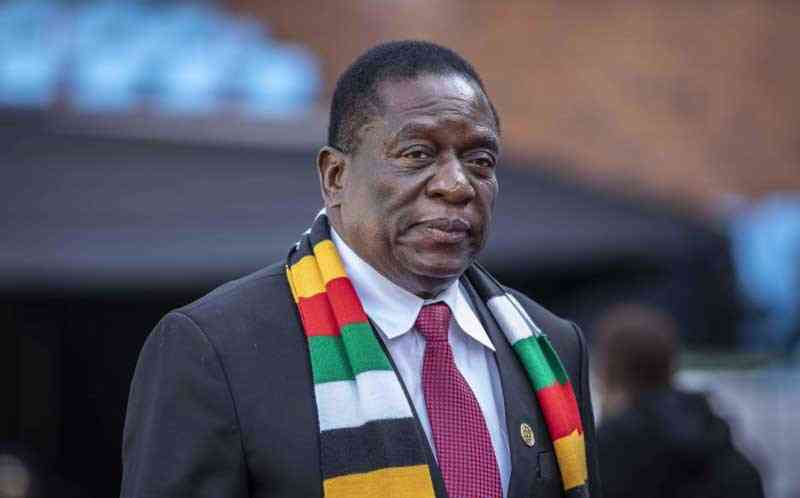
What are the changes President Emmerson Mnangagwa has not implemented even if his party has enjoyed a two-thirds majority in Parliament?
Reforms in education have remained rhetoric, particularly the question of free education.
Zanu PF has not made any attempts to review the pension system nor has it done anything to implement the National Health Insurance Policy it touts every time ahead of elections.
Zanu PF has failed to amend the Mines and Minerals Act.
It has failed too to amend the Economic Empowerment Act.
These are laws that directly impact on the lives of citizens.
While eyes were glued to the changes in the Constitution in Parliament, up north of the Zambezi River, Zambia, President Hakainde Hichilema signed legislation that guarantees free education at public schools and pension reforms.
The new Act entrenches a policy that had expanded access to education since 2021.
The new law makes free education a legal right, ensuring that no learner can be denied a place in a public school because of inability to pay fees.
Hichilema described the move as a “historic day for Zambia”, saying the legislation secures free education for future generations and strengthens protections for workers and retirees through broader reforms contained in the same Bill.
“These reforms will improve the lives of millions of Zambians, from the classroom, to the workplace, and into retirement, while delivering greater dignity, security, and hope for our people,” Hichilema said.
It is not in doubt that Hichilema has at long last fully implemented one of his major campaign platforms when he came into office free education.
He has recruited an extra 41 000 teachers since 2021 and expanded the schools feeding programme.
These are earthmoving changes, changes that positively affect generations of children, by giving them a fair start in life irrespective of their social background.
Children from poor and vulnerable families are guaranteed the right to education and the State has taken moves to ensure it is realised.
When Mnangagwa came into office in 2017, some public primary schools were recording 0% pass rates.
The situation has not changed.
Actually, since then, many private schools have mushroomed across the country.
This development is the same in the health sector.
Many private health establishments and pharmacies have opened across the country.
Mnangagwa is in the “stop shouting in streets, make money” mode.
His priorities are making a new class of people, a group that thrives on State tenders and feed on government’s failure to provide basic services.
Where the government failed to provide public education, the Benzas and others filled the gap.
When the State failed to provide public health, the Tagwireis and others have built or taken control of private hospitals.
Where the local authorities failed to collect garbage, the Nguwayas and associates filled the gap.
Where potable water cannot reach households, the Jeres and associates get pre-paid water meter contracts.
When the Department of Public Works cannot renovate and refurbish the National Sports Stadium, the Sakundas get the contract.
This is not change, fellow citizens. Zimbabweans have been shortchanged.
Our leaders only make changes that consolidate their power and create wealth for their associates.
They have long abandoned the principles of the liberation struggle.
Absolute power corrupts absolutely.
I’m out!