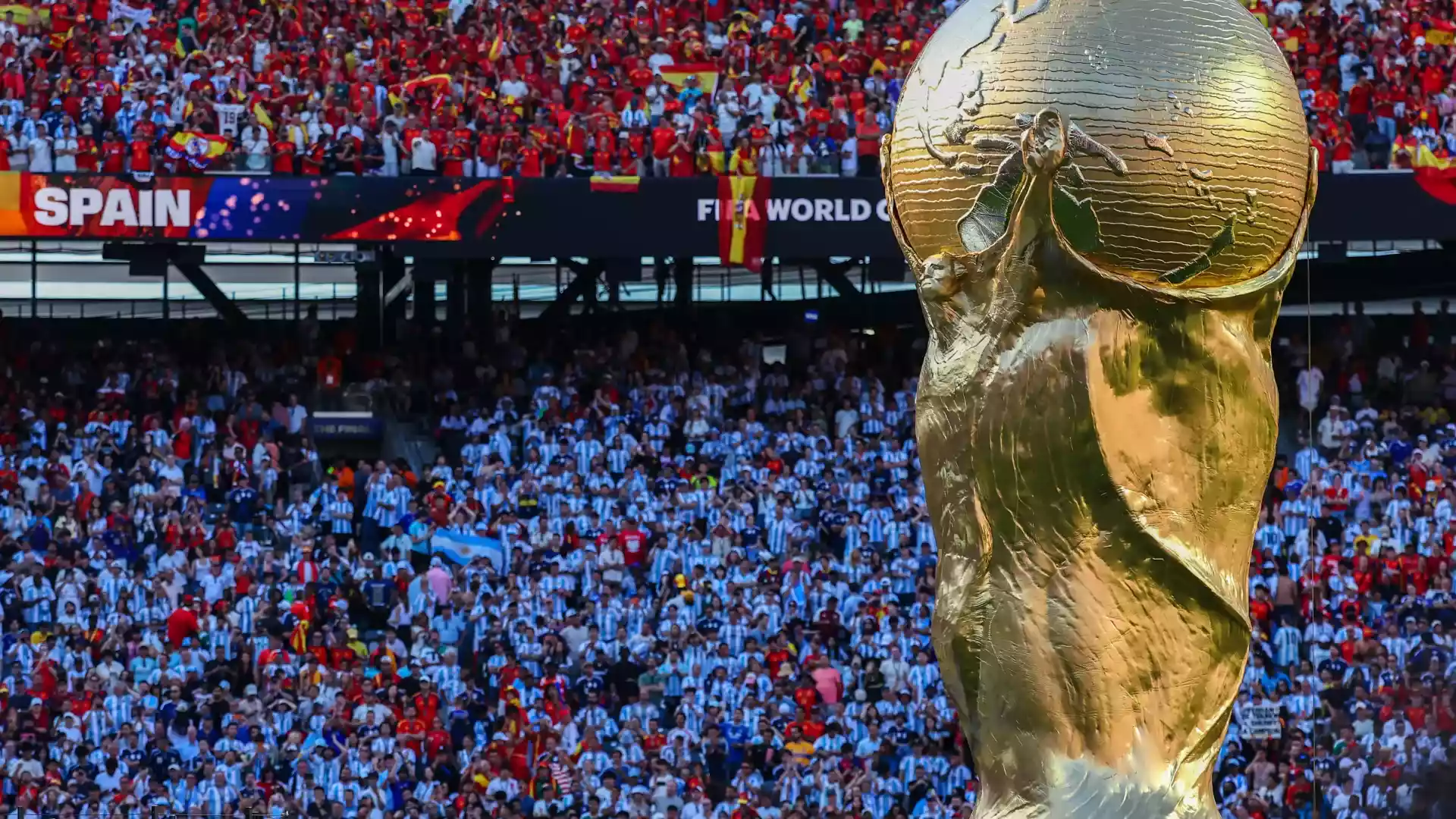
Spain's triumph over Argentina in the 2026 FIFA World Cup final produced more than a new world champion. It also offered one of the most compelling lessons in human psychology.
After the final whistle, the contrast was striking. Spain celebrated becoming world champions, while Argentina, the defending champions, were overcome with emotion after falling just short of retaining their title. Images of Lionel Messi in tears captured the pain of a team that had come within touching distance of football's greatest prize.
Just a day earlier, however, England had been celebrating with remarkable enthusiasm after securing third place. Their players smiled, danced, embraced supporters and proudly displayed their bronze medals.
The irony was unmistakable.
The second-best team in the world wept.
The third-best team in the world celebrated.
At first glance, this appears illogical. Surely finishing second is a greater achievement than finishing third. Why, then, did the runners-up look devastated while those who finished below them celebrated?
The answer lies in what psychologists call the silver medal paradox, a phenomenon rooted in the way human beings evaluate success. Our satisfaction is influenced not merely by our achievements but by the comparisons we make.
- The Soccer Whiz: It’s coming home, it’s coming home
- SuperSport sack Tembo
- School of sport: It’s my job
- School of sport: Plan and play
Keep Reading
The silver medallist naturally compares themselves with the champion. Their thoughts revolve around the one victory that slipped away. They replay missed chances, crucial moments and opportunities that might have changed history. Instead of seeing forty-six nations behind them, they see only one nation ahead of them.
The bronze medallist sees the world differently. Having won the third-place playoff, they compare themselves with the teams that left the tournament empty-handed. They end their campaign with victory, confidence and a medal. Their final memory is one of success rather than disappointment.
The difference is not the medal itself.
The difference is perspective.
This paradox is not confined to football. It is visible in our workplaces, classrooms, businesses and homes.
A graduate who earns a distinction may feel disappointed because another student scored slightly higher. An entrepreneur who builds a successful company may feel inadequate because a competitor is larger. An employee promoted to senior management may lose sight of their achievement because they were hoping to become chief executive.
Conversely, someone who has overcome unemployment celebrates their first job with immense gratitude. A patient who recovers from a life-threatening illness treasures each new day. A family that finally owns a modest home after years of renting experiences joy that money alone cannot explain.
The lesson is profound. Happiness is often determined less by our circumstances than by the direction in which we look.
When we constantly compare ourselves with those ahead of us, our achievements appear insignificant. When we appreciate how far we have come and recognise the obstacles we have overcome, gratitude replaces frustration.
This does not mean ambition is misplaced. Progress has always depended on people striving for excellence. The danger arises when ambition robs us of the ability to appreciate genuine accomplishment. There is nothing wrong with aspiring to be first. There is something profoundly wrong with believing that every achievement short of first place is a failure.
The 2026 World Cup reminded us that success is not experienced equally, even when the rankings are clear. The runners-up walked away with silver medals but heavy hearts. The third-placed team left with bronze medals and joyful memories.
Life presents us with similar moments every day.
Some people spend their lives mourning the opportunities they narrowly missed. Others celebrate the blessings they have already received. The circumstances may be similar, but the mindset is entirely different.
Perhaps that is the greatest lesson from this World Cup.
The happiest people are not always those who finish closest to the top. They are often those who choose gratitude over comparison.
In the end, the medal around your neck matters.
But the perspective in your mind matters even more.