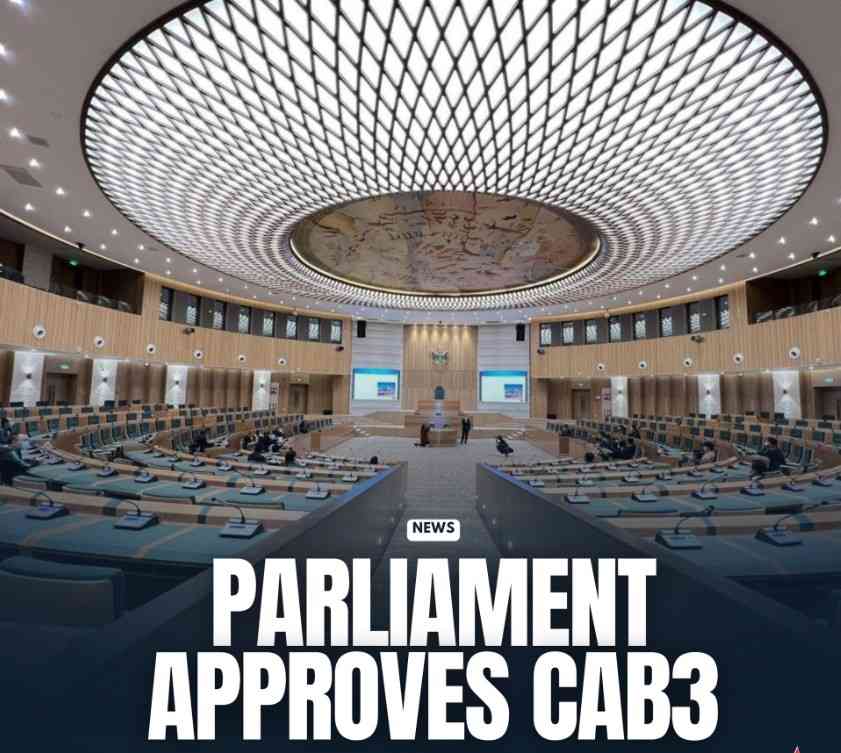
ON Thursday, the Constitution Amendment No. 3 Bill sailed through the National Assembly after 38 opposition Citizens Coalition for Change (CCC) legislators voted alongside Zanu PF.
The move sparked outrage among opposition politicians, constitutional lawyers and civil society organisations, many of whom described the vote as a betrayal of the electorate.
The controversial Bill secured 216 votes, comfortably surpassing the 187 votes required to attain the two-thirds majority needed to amend the Constitution.
What has raised even greater concern is the manner in which the vote was conducted.
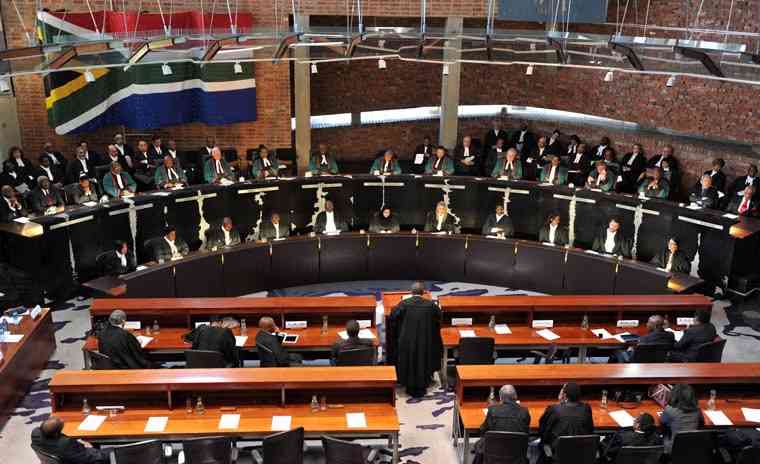
Instead of a secret ballot, the vote was conducted through a show of hands.
This meant that every Member of Parliament’s choice was visible to colleagues, party leaders and political opponents alike.
For many observers, such a process undermines the spirit of free and independent decision-making expected of legislators.
MPs should be able to exercise their constitutional responsibilities without fear, intimidation or undue influence.
- Chamisa party defiant after ban
- Village Rhapsody: How Zimbabwe can improve governance
- News in depth: Partisan police force persecutes opposition, shields Zanu PF rogue elements
- Chamisa chilling death threat bishop defiant
Keep Reading
By opting for a show of hands, Parliament denied legislators the privacy that often allows representatives to vote according to their conscience and the wishes of their constituents.
Particularly troubling was the conduct of Citizens Coalition for Change legislators aligned to self-styled secretary-general Sengezo Tshabangu.
Elected on a platform of challenging Zanu PF and providing an alternative vision for the country, these MPs ultimately sided with the ruling party on one of the most consequential constitutional matters in recent years.
Many Zimbabweans voted for opposition representatives in the hope that they would hold the government accountable, advocate for economic reforms and push for improvements in public services.
They were elected to fight for jobs, better healthcare, quality education, improved infrastructure and economic opportunities for ordinary citizens.
They were elected to provide checks and balances against the excesses of those in power.
Instead, they found themselves voting alongside the very party they were expected to challenge.
To many of their supporters, this was nothing short of political betrayal.
The episode once again highlights a growing concern within Zimbabwean politics: the triumph of personal interests over public service.
Politics of the stomach — or, as many Zimbabweans call it, politics of the tummy — continues to undermine democratic accountability.
Too often, elected officials appear more concerned with securing personal benefits, political survival and proximity to power than advancing the interests of the people who sent them to Parliament.
The consequences are devastating for opposition politics.
Voters become disillusioned.
Public trust erodes.
Genuine democratic competition weakens.
At the same time, allegations of bribery, vote-buying and divide-and-rule tactics continue to cast a shadow over Zimbabwe’s political landscape.
Whether real or perceived, such practices fuel public cynicism and reinforce the belief that political principles can easily be traded for personal gain.
Those who voted for the Bill must now explain themselves to their constituents.
They owe Zimbabweans a clear justification for their actions.
Public office is a public trust.
When elected representatives abandon the interests of the people in favour of political expediency, they forfeit the moral authority to speak on behalf of those they were elected to serve.
If opposition politics is to regain credibility, it must be built on conviction, accountability and loyalty to the electorate — not on the politics of the tummy that continues to breed political sellouts.