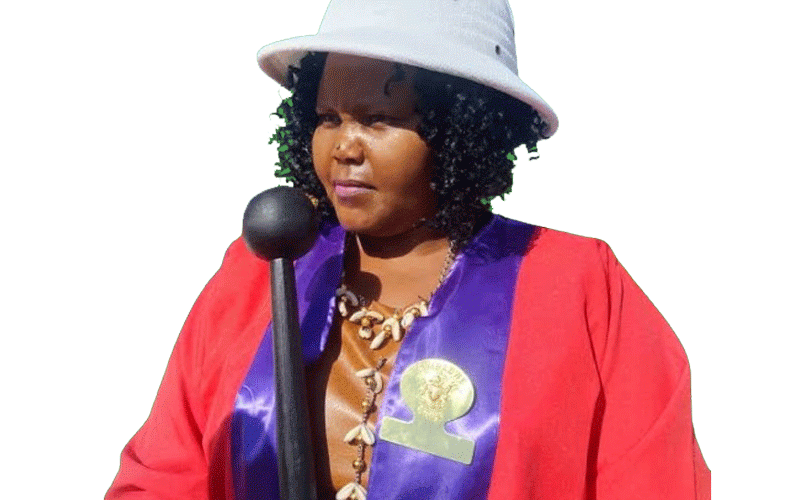
Gweru man narrowly avoids jail after striking uncle with axe
Blessed Bhebhe was convicted of physical abuse recently when he appeared at the Gweru Magistrates Court.
By Valentine Maya
Oct. 14, 2026

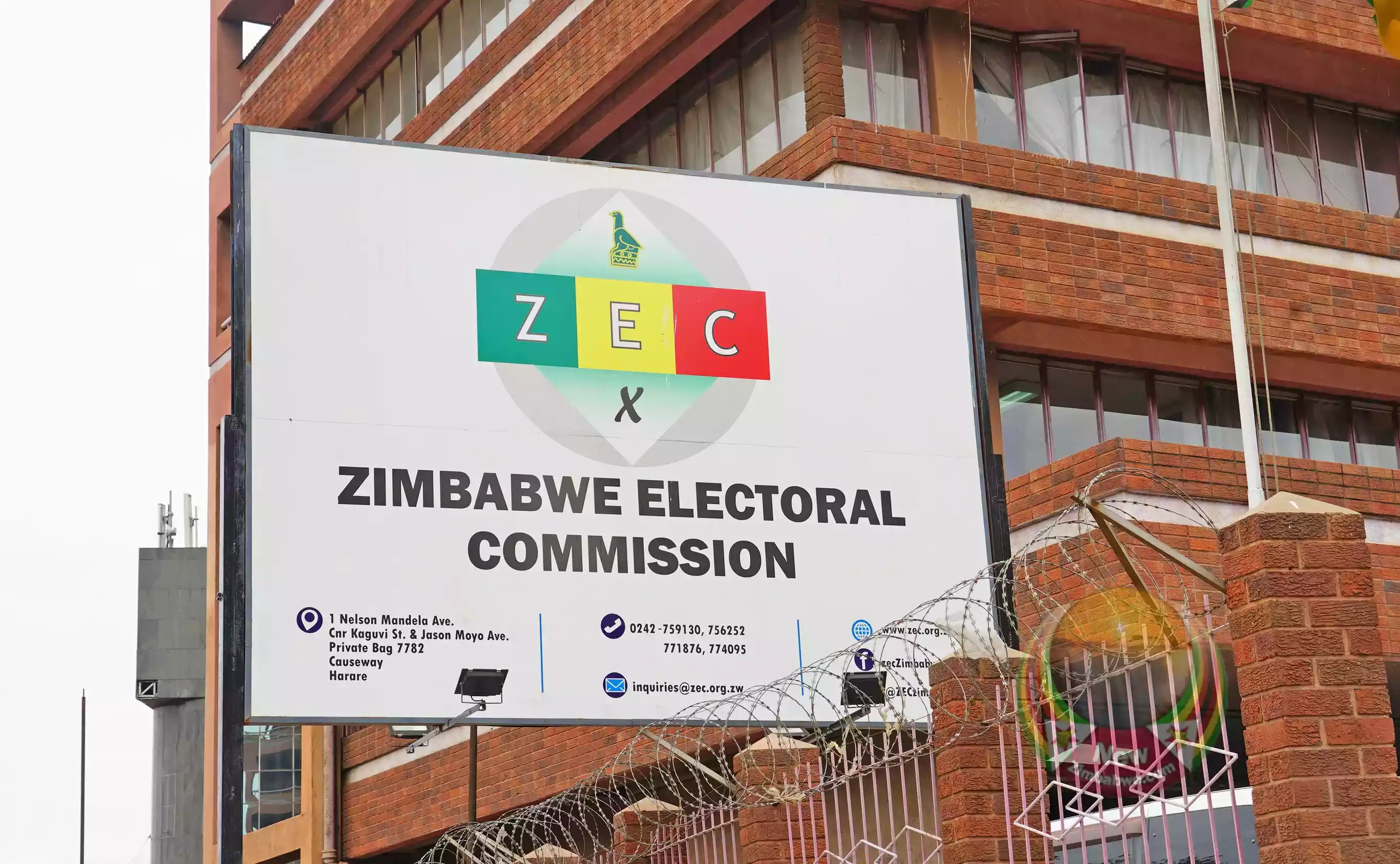
ZEC announces four rural council by-elections for November
The nomination courts will sit on October 28, 2026, from 10am to 4pm to receive nominations from candidates seeking election to the vacant seats.
By Silas Nkala
Oct. 13, 2026
Two arrested over cross-border stocktheft
Rinos Chauke (43) and Ronald Manike (22) were arrested on October 10, 2026, by members of the Police Support Unit deployed to curb cross-border crime in the Gezani area.
By Silas Nkala
Oct. 12, 2026

Bulawayo Council seeks to correct company name in stand allocation
According to latest council minutes, the applicant’s name for Stand Number 20004BT was recorded as Tables and Pens
By Sharon Sibindi
Oct. 12, 2026

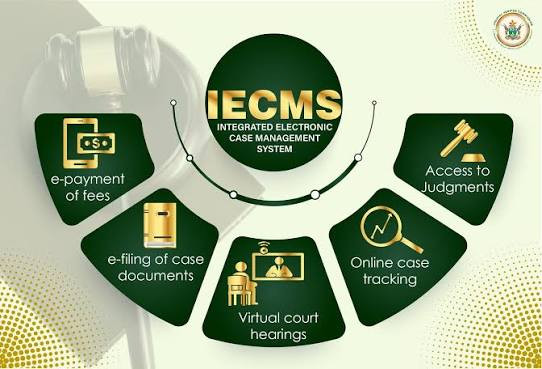
All set for the launch of IECMS in Inyathi
According to a statement released by the Judiciary Services Commission, stakeholders and all interested individuals are welcome to an engagement meeting regarding the launch of IECMS.
By Nizbert Moyo
Oct. 12, 2026
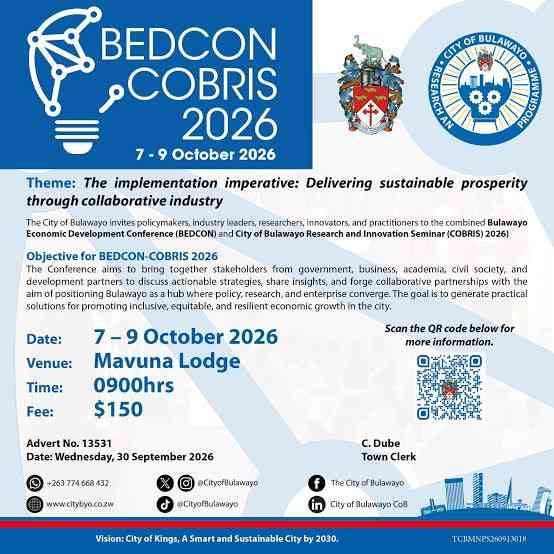
Bulawayo seeks knowledge-driven economic growth
This emerged at the three-day Bulawayo Economic Development Conference and City of Bulawayo Research and Innovation Seminar (BEDCON-COBRIS 2026), which ran from Wednesday to Friday last week.
By Silas Nkala
Oct. 12, 2026
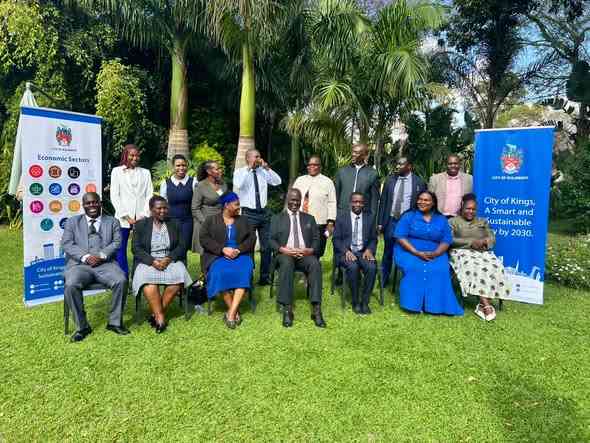
Bulawayo woman dies in house inferno
Bulawayo deputy police spokesperson Assistant Inspector Thandekile Ndlovu said the fire could have been caused by a candle left burning after the two fell asleep.
By Sharon Sibindi
Oct. 5, 2026

Bulawayo to turn Lobengula Clinic into a drug rehabilitation centre
The council said it will lease the 6 600-square meter Lobengula Clinic to the government for an initial period of 10 years, subject to review while receiving monthly rentals
By Nizbert Moyo
Oct. 5, 2026
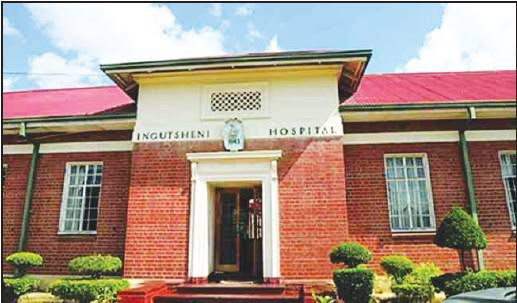
Bulawayo to host economic development, research and innovation conference
According to a notice issued by the City of Bulawayo, the conference aims to provide a platform for stakeholders from government,
By Sharon Sibindi
Oct. 5, 2026