For modern smartphone buyers operating within a strict budget, the retail landscape presents a classic, polarizing conundrum.
On one side of the counter sits a brand-new, wrapped entry-level device from aggressive, value-focused brands like Tecno or Itel.
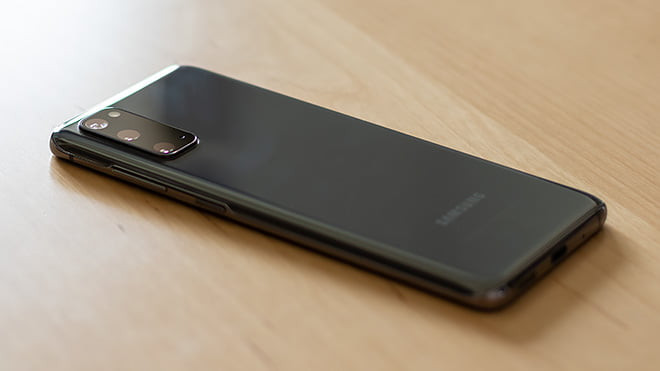
On the other side sits a four-year-old refurbished former premium flagship, such as an iPhone 12 or a Samsung Galaxy S20, commanding the exact same price tag.
As economic pressures pinch disposable incomes, consumer behavior is shifting. The allure of breaking the seal on a fresh box competes fiercely with the prestige and engineering prowess of a past titan.
For consumers trying to maximize the value of their hard-earned money, making the right choice requires looking past cosmetic appeal to evaluate long-term utility, daily performance, and total cost of ownership.
The primary advantage of opting for a brand-new entry-level device, like the latest Tecno Spark or Itel Horizon series, is absolute predictability. Purchasing a new phone guarantees an uncompromised hardware lifespan because the lithium-ion battery inside is at 100% capacity, untouched by the chemical degradation that plagues older electronics. For a user heavily reliant on a single device throughout the day, this translates into exceptional battery endurance that easily spans one to two days of continuous use.
Furthermore, new entry-level devices are structurally optimized for modern retail realities. They come with an official manufacturer’s warranty, usually extending from 12 to 24 months, which fully protects the consumer against out-of-pocket repair costs if a component fails due to a factory defect. Retail packages for these brands also remain famously generous, often including a charging brick, a protective case, factory-applied screen guards, and even wired earphones—accessories that have long been stripped from premium retail boxes.
From a software standpoint, these entry-level devices ship with a current, albeit stripped-back, version of Android, such as Android 14 or 15 Go Edition, ensuring immediate compatibility with all modern applications, security protocols, and banking software from day one, alongside localized customer support channels.
- Infonomics: What business leaders should know
- New iPhones have Qualcomm satellite modem, new Apple radio chips
- Apple says it will manufacture iPhone 14 in India
- India to press Apple, Samsung for faster 5G software upgrades in phones
Keep Reading
However, the compromises of budget hardware become evident quickly. To meet aggressive price points, manufacturers utilize cheaper build materials, primarily lightweight, scratch-prone plastics instead of reinforced glass and aluminum alloys. These devices lack any formal IP ratings for water and dust resistance, making them significantly more vulnerable to environmental accidents.
Internally, the trade-offs are even more severe. Entry-level smartphones are powered by low-tier processors, such as MediaTek Helio G-series or Unisoc chipsets, paired with slower eMMC 5.1 storage. While perfectly adequate for basic WhatsApp messaging, light web browsing, and voice calls, these chipsets struggle under heavy multitasking, media rendering, or modern mobile gaming. As applications inevitably grow larger and more resource-intensive over the next two years, these phones run a high risk of developing noticeable systemic lag and UI stuttering.
Stepping into the refurbished premium market opens the door to a tier of engineering that budget devices simply cannot replicate. A four-year-old flagship device represents what was once the absolute pinnacle of consumer technology. Devices like the iPhone 12 or Samsung Galaxy S20 feature high-grade aerospace aluminum or stainless steel frames protected by Gorilla Glass, giving them a dense, premium hand feel and superior structural integrity.
The visual and auditory experience on an older flagship remains vastly superior. While budget devices typically settle for lower-contrast, 720p or 1080p LCD panels with dim backlighting, premium devices from four years ago boast high-density AMOLED or Super Retina XDR displays. These screens deliver vibrant colors, deep blacks, HDR10+ support, and high peak brightness levels that remain easily readable under direct sunlight. Coupled with finely tuned, loud stereo speakers, this offers a vastly superior multimedia experience.
Performance is another area where old flagships hold their ground. The tier-one chipsets of yesteryear, such as Apple’s A14 Bionic or Qualcomm’s Snapdragon 865, were engineered with massive performance headroom. Even four years later, their raw computational power, superior graphics processing units, and lightning-fast UFS 3.0 or NVMe storage architectures easily outperform brand-new entry-level silicon, handling intensive tasks, 4K video recording, and rapid application switching with fluid ease.
Despite the premium allure, the refurbished route is fraught with hidden variables and risks. The single greatest point of failure is the battery. Unless a refurbisher explicitly states that a fresh battery was installed, a four-year-old phone typically operates at 80% to 85% of its original chemical capacity. Combined with a power-hungry flagship processor, users often experience vastly inferior battery life compared to new budget devices, frequently forcing them to hunt for a charger by late afternoon.
Software longevity is another critical ticking clock. A flagship released four years ago is either at the very end of its major operating system update cycle or has already been cut off, moving strictly into a phase of quarterly or biannual security patches. Within the next 18 to 24 months, certain high-security enterprise and banking applications may cease to support these older OS versions, prematurely shortening the functional utility of the device.
Finally, the consumer protection ecosystem for refurbished goods is highly inconsistent. Buyers are at the mercy of third-party vendors whose warranties are often limited to 30 or 90 days and filled with restrictive clauses. Identifying a genuinely refurbished device from an improperly repaired, component-swapped unit requires a high degree of technical literacy, leaving casual buyers vulnerable to counterfeit screens or faulty logic boards.
To summarize these trade-offs: brand-new entry-level devices offer 100% battery health, a full manufacturer warranty, and included accessories, but suffer from plastic builds, slower processors prone to lag, and basic camera performance. Conversely, four-year-old refurbished flagships offer superior performance, premium glass or metal builds, and excellent displays and cameras, but are hindered by degraded battery health, limited third-party warranties, and an impending end to software update cycles.
Ultimately, neither choice emerges as a universal victor; rather, each serves fundamentally distinct consumer profiles.
Buying a brand-new entry-level device from Tecno or Itel is the wiser, more pragmatic choice for users who prioritize operational security, long battery life, and financial peace of mind. It is the ideal option for students, gig-economy workers, and professionals who cannot afford a sudden device failure or unexpected repair bills, and who value the assurance of a full factory warranty.
Conversely, purchasing a four-year-old refurbished premium device is the wiser choice for tech-enthusiastic users, content creators, and multimedia consumers who are willing to manage the realities of shorter battery life and limited warranties in exchange for a vastly superior user experience. For these individuals, the premium camera systems, stunning displays, and high-speed performance offer a level of daily luxury and capability that budget smartphones, despite their shiny new boxes, simply cannot match.