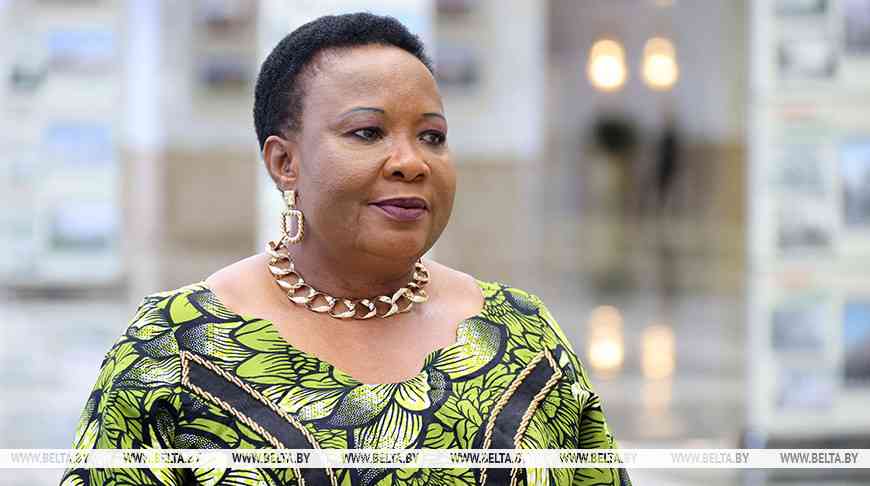
HARARE, Jul. 22 (NewsDay Live) – Auditor-General Vimbai Chikwenhere has raised alarm over poor financial accountability in rural district council-run schools, warning that millions of dollars in school fees, levies and grants cannot be properly accounted for because many councils are failing to keep adequate financial records.
In her report tabled before Parliament on June 26, 2026, Chikwenhere said 34 local authorities had not submitted their 2025 financial statements, while six councils had failed to submit financial statements for both the 2023 and 2024 financial years.
The audit covered 96 financial statements from 81 local authorities for the 2022–2025 period and highlighted persistent weaknesses in public financial management despite some improvements in compliance.
According to the report, 58 local authorities are now up to date with their financial reporting, up from 26 in the previous audit cycle. A total of 96 financial statements have been finalised, while another 78 remain under audit.
However, Chikwenhere warned that delays in submitting financial statements continue to undermine accountability.
“Late submission of financial statements creates accountability gaps and also results in the inability of local authorities to provide supporting documents or reconcile variances identified during the audit,” the report said.
She recommended that the six councils which remain in default be closely monitored.
A major concern highlighted in the report was the failure by Rural District Councils to account for the finances of schools under their administration.
- ‘Israel trying to ignite a religious war in occupied Jerusalem’
- Africa Ahead spruces up 25 healthcare centres in Manicaland
- Lock brothers celebrate success in Colombia
- Hit hard by storms and forest loss, Zimbabweans building stronger homes
Keep Reading
The Auditor-General identified the non-accounting of council schools by Rural District Councils as a key audit finding, warning that the absence of proper financial records makes it difficult to account for school revenue, expenditure and assets.
She recommended that the Ministry of Finance conduct skills gap assessments across all Rural District Council schools and implement a phased national programme to standardise financial reporting systems.
The findings raise concerns over the management of school fees, levies and government grants collected by RDC-run schools.
Commenting on the report, Harare Residents Trust director Precious Shumba said the findings reflected broader governance and accountability challenges in the public sector.
“The lack of accountability and governance issues are negatively impacting social and economic development. The Auditor-General has exposed financial leakages affecting development,” Shumba said.
The Auditor-General acknowledged progress made through the Ministry of Finance’s implementation of International Public Sector Accounting Standards (IPSAS), saying the reforms had contributed to an increase in the submission of outstanding financial statements.
The report is expected to increase pressure on the Treasury and the Ministry of Local Government to strengthen financial oversight of local authorities as government continues to channel devolution funds to councils amid persistent concerns over service delivery and public financial management.