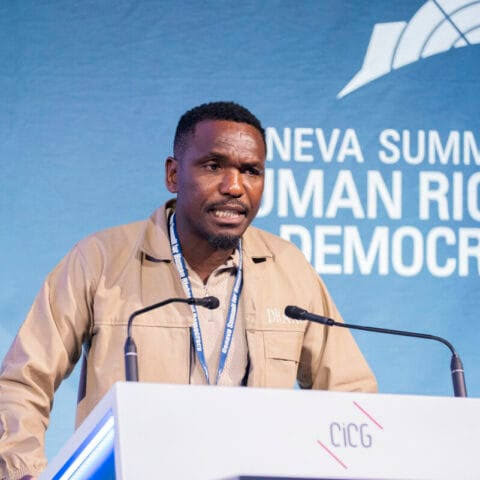
On 20 February this year at the UN human rights NGO summit in Geneva, after delivering what was a heartfelt speech on my personal experiences as a prisoner of conscience in Zimbabwe, my world came crashing down on me – my life as I knew it was altered, the path and plans which I had under my control all today hang in the balance of a threat which remains too chilling to contemplate.
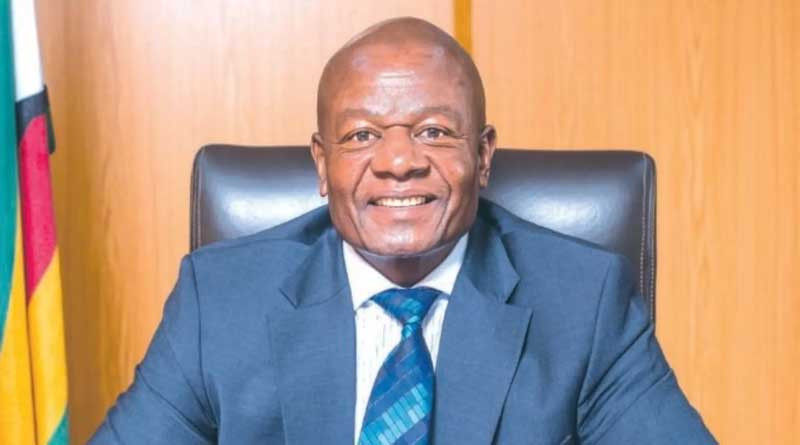
Following my speech the government of Zimbabwe, through the current Minister of Information, Mr Soda Zhemu, announced that I was an undesirable citizen who deserved to be thrown into prison for at least ten years. He spoke on national TV prime time news and the front page of the State controlled newspaper, The Herald.
Little me, a small boy from rural Mutoko, with no guns no muscle or capacity to unseat a government, was declared ‘rogue’ and thus deserving to be punished, simply for speaking out on a fundamental violation of Human Rights.
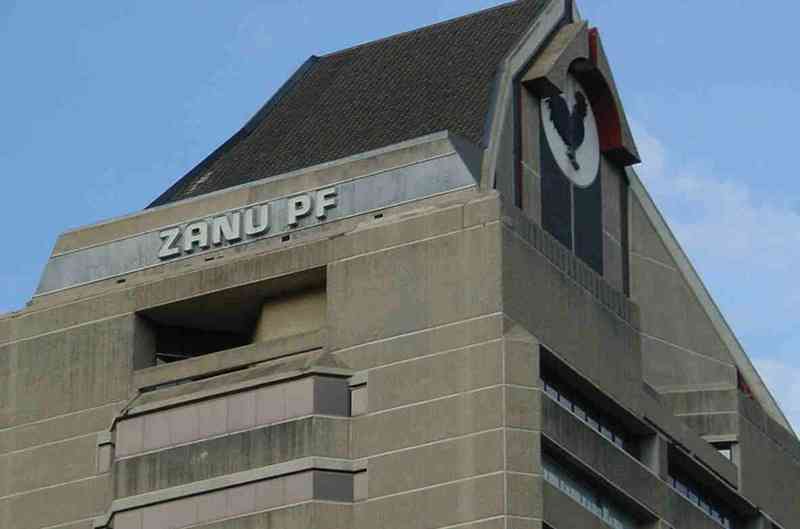
Supporters of the ruling political party, Zanu PF, took to social media to attack me and urged government to act more decisively than just issuing a statement. Some of the chilling posts called for me to be put in front of a firing squad, others wanted me beaten up and some legislators wanted my passport withdrawn.
Mind you, I had been arrested a year before, on allegations of broadcasting material which the state deemed to incite violence. As my lawyer was later to say in court, I had been arrested for practicing journalism. I was then kept in pre-trial detention for 73 days, fed food no dogs would touch, slept on the cold hard floor with little bedding, while my under nourished body was tormented by an army of insatiable lice at Harare Remand prison. During my time there, my body gave in to a terrible cough, my spirit was shaken. It was traumatic, for prison dear friends is a dark place, that feeds on the soul through depravation, abuse and separation from loved ones. It is therefore without any fear of self-contradiction that I say, I know the threat that awaits me if I return to Zimbabwe today.
The chilling threats by Minister Zhemu, come on top of the charges that are still active. This is one of the State’s tactics, arrest without just cause, drag out a vexatious trial just to ensure Human Rights Defenders and Journalists who speak truth to power are kept in check.
Indulge me while I describe the charges that my government and all its might preferred against me – it’s amusing to hear.
Well, the allegations include that I was broadcasting a press conference where a veteran of Zimbabwe’s liberation struggle, Blessed Geza, not Blessed Mhlanga, had called on the President, Emmerson Mnangagwa, to leave office and stop his incredulous attempts to change the constitution so that he could extend his stay in power.
- Corruption Watch: Get scared, 2023 is coming
- Corruption Watch: Get scared, 2023 is coming
- Letters: Ensuring Africa’s food security through availability of quality seeds
- Is military's involvement in politics compatible with democracy?
Keep Reading
The state argued, that words said by Blessed Geza not Blessed Mhlanga - during the press conference, were intended to incite violence against the President. I was arrested over words said by someone else not me, broadcast on a TV station owned by someone else not by me and at a press conference that I had not even attended, so to this day I don’t know how I managed that feat.
The important point however, is even if I had attended the press conference, are journalists responsible for words said by political players during live TV? If this approach is not a threat to journalism, I don’t know what is.
Blessed Geza had to self-exile where he continued to challenge Mnangagwa’s constitutional coup until he sadly died in March this year. Mnangagwa AND HIS supporters ruthlessly continue on the path of power retention at whatever cost, this has included open bribery of members of parliament, the arrest and detention or brutal assault on anyone opposed to Constitutional Amendment Bill number 3. As we speak now that Amendment sits in his office awaiting his signature so that it becomes law, giving himself a fresh seven-year term of office without even going to elections.
Let me give you context as to who I am. Blessed Mhlanga is a father of three, halfway through my law degree at the University of Zimbabwe, employed as Digital Editor and Head of Broadcasting at Alpha Media Holdings – Zimbabwe’s biggest independent media house – my future and that of my children was pretty set.
Yet as a price for practicing public interest journalism, I have become a target of Mnangagwa, the Crocodile as he is known. I have come to an unenviable position of being forced to abandon years of hard work, passion and love, and go into hiding or face certain imprisonment, or even assassination.
Some might think, I am a coward for abandoning my battle station at a time when good public interest journalism is still needed. I am a man born of flesh and blood, prone to fear and, with hindsight, aware of the brutality that the government of Zimbabwe is capable of. Yet I am here not out of fear, but of hope that one day, light will win against darkness.
Even as I stand here, I battle with the thought of what I have lost, the effect on my children and that now my future is uncertain, I close the door at night crying wondering if I will ever recover.
There is a heavy price that journalists across the world pay for reporting what they witness, uncover through investigative journalism and what is said and done by those in power and the burden must not be carried us alone therefore I wish to thank you London South Bank University, for giving me the opportunity to speak here today.
Zimbabwe, since the coup of 2017, has sunk deep into being a pariah state, where the law has now become a tool of oppression, and sovereignty a cover for abuse of state apparatus against owns citizens. In many cases the law has been weaponised, the judiciary compromised and prisons turned into tools of punishment before trial by leaders we have elected, and who took oaths to defend and protect their people by upholding the constitution. You here in the UK have an independent judiciary system, a luxury many of us do not have.
In Zimbabwe, the main difference is that (46 years) after achieving freedom from colonialism, the people of Zimbabwe have become oppressed by their own leaders. Zimbabweans have not been ‘othered’ as in the US, where citizenship has been called into question even for those born there. But we have been divided by those seeking to hold onto power, those seeking political gains through association, and those who use fear to govern.
Where opposition politics is simply not tolerated, despite dialogue and deals for a coalition government of national unity in 2013 which we all hoped would be a turning point– this has not held. We need to ask how the rise of so-called ‘strong man politics has been supported, funded and grown like bindweed, putting at risk global peace and security.
Just last week and ongoing in South Africa, a series of marches happened against other Africans living and working there. Malawians, Zimbabweans were being held in detention centres until they can be bussed back to their respect countries.
Many point to misinformation on social media as responsible for these divisions which have ultimately manifested into violence, and they see it as having played a key role in stoking these divisions in the same manner that radio broadcasts in Rwanda contributed to the genocide of 1994.
The role of government and of those behind these messages of division must be held to account. That means social media platform owners.
This shows now more than ever the importance of journalism, for without independent but accountable media, the free for all mis-information and propaganda, becomes the mechanism for the spread of hate. And a divided people, as the UK has seen on Brexit, leads to further division. Without credible sources of information, without some kind of accountability, mis- information, disinformation and propaganda becomes another form of warfare by the powerful against ordinary citizens.
My point is that an independent but accountable media is key to democracy and is part of the institutional foundation of any free society. It has to work in balance with the other accountability mechanisms – such as an independent judiciary, a government elected in regulated processes by its citizens, and a public service which is also accountable through legislation, policy and fair practices.
In Zimbabwe, we see disproportionate use of the law to spread and harvest fear. For instance, in April, university students, Takunda Mhuka and his colleagues, were arrested on allegations of breaking a window, this was just an excuse as we all know it was because the students Union in Zimbabwe mobilised and opposed what has been called a coup against the Constitution of Zimbabwe by its own government, led by Zanu PF who in 2023 got into power through elections declared shambolic and far from free or fair by SADC and EU observer missions, this same government is now seeking to change the nation’s Constitution in an elite pact lead by illegitimate representatives of the people. The four university students were held for over two months in pre – trial detention. No bail was granted, which is against our rights in the Constitution.
Last October an opposition activist Godfrery Karembera was arrested and was to spend eight months in pre-trial detention, despite the state failing to present a prima facia case against him, the state opposed bail, and the courts complied, leading to Karembera serving an 8-month jail term pre- trial, only to be acquitted, but punishment had already been meted.
Like me, journalist Hopewell Chin’ono spent 80 days in pre-trial detention for a crime that did not even exist in our statutes. Emmerson Mnangagwa in just seven years as President, has jailed more people for free speech – than the late President Robert Mugabe did in his nearly 40 years in power.
And on his path to absolute power retention Mnangagwa has attacked two critical institutions in Zimbabwe, these are, free press and the judiciary. His government has used both incentive and violence to cow the judiciary. Those who toe the line get rewarded through loans that are not paid back, luxury cars and other trinkets, as opposed to those who don’t play ball who are thrown into the fringes and or fired from the bench.
As a law student forced to abandon my studies midway, I have come to learn that for a democracy to thrive an independent judiciary is far more important than other pillars of the State. The question is therefore How can judges be appointed, protected and enabled to play their rightful role in democratic states? Sadly, in Zimbabwe Constitutional Amendment number 3 assaults the integrity of the noble lords and ladies who walk the halls of justice in my country.
The UK has a unique approach that has lessons for the rest of the world through the Judicial Appointments Commission. Ensuring that institutions remain independent is a role for every citizen.
When checks and balances become ceremonial, democracy is eroded, social order as we know it becomes chaotic. Everyone is then at risk even those who hold power today.
What we have seen in Zimbabwe is an extractive state, that cares not about development of its people no. Instead of using national resources to build clinics, hospitals and provide social service delivery, the government of Zimbabwe has poured millions in arming police against its own people. Shocking amounts of money have been poured into the propaganda machinery both at home and abroad, to capture the media, not for social good but to silence voices of dissent.
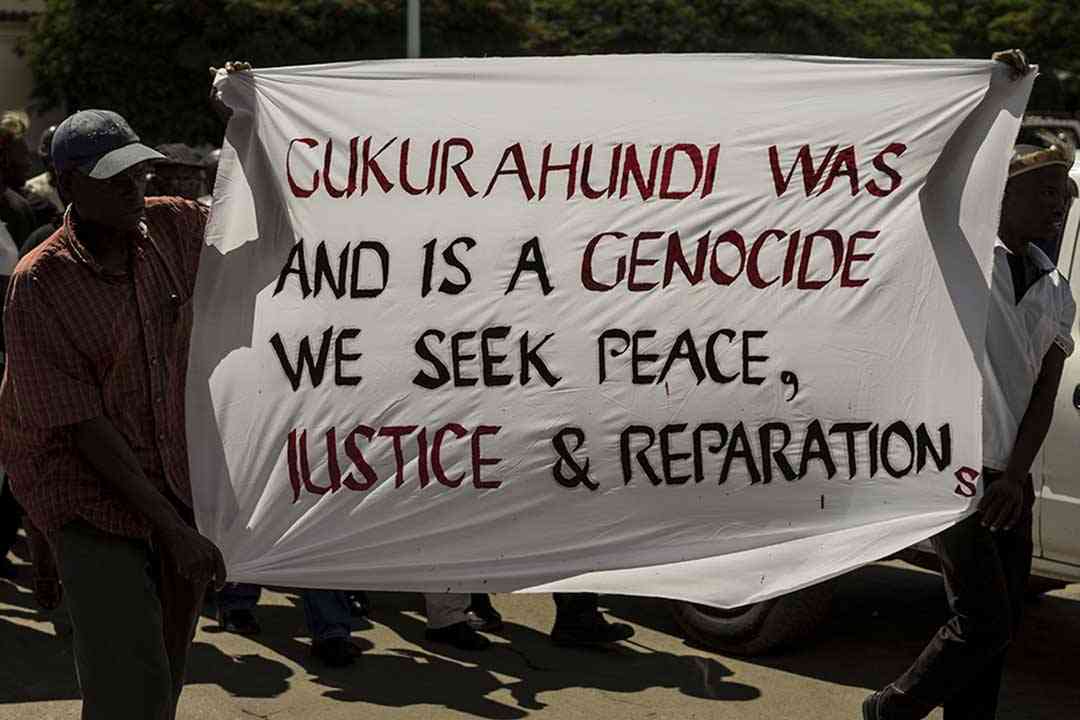
Corruption has become a pandemic and flaunting of wealth by the haves in the face of absolute lack is now in fashion in Zimbabwe. Nothing could have prepared us for the levels of human rights abuses that we have seen today. For all his particular failings and some would say, human rights evils such as the appalling and evil Gukurahundi genocide in the 1980s (which remains an open wound today years after Mugabe’s death) Mugabe allowed civil society to operate in Zimbabwe, he left judicial independence unmolested and while there was corruption under his Presidency, it was not as brazen, crass and naked as in today’s Zimbabwe.
Poverty levels are on the increase; teachers are asking parents to pay additional fees or their children are not taught, while nurses, doctors and other professionals who are not political supporters of the government can’t speak or get decent jobs are forced to leave in search of liberty and a living, abroad.
We continue trying to contribute to a better Zimbabwe as well as the communities we find ourselves in. In the UK I have experienced help from others who came before me for similar reasons; and support from British citizens who know our shared history as well as the challenges journalists and democratic activists face.
Without doubt I regularly question myself – did I miscalculate to side with truth and believe in free speech? Will I ever recover from the shocks and cost of being a journalist in Mnangagwa’s Zimbabwe? Is there a future for a South and Southern Africa where peace and security will be accessible to all? These are questions I can’t answer now, but maybe time will tell.
Let’s explore the second part of the question before us today: How can we better respond to these challenges at home and abroad?
The people of Zimbabwe need your solidarity, voices and funding, for without the international community unarmed and peace-loving Zimbabweans are rendered helpless and voiceless against a regime that believes in the use of hard power to manufacture forced consensus.
The ongoing attempt by the government to change the constitution to give an extended term of office to the President has been anchored on an attempt to criminalise free speech, freedom of association, while subverting the independence of institutions, judiciary and even academic institutions, all recognised signs of a democracy in demise. Human rights become the first causality of a dictatorship, because a state that rules by inducing fear on its people will not uphold human rights.
I posit that fighting for democracy, a free press, and human rights isn’t one tactic. It’s three interlocking fronts: building of institutions, providing accurate information, and demanding accountability of those who make decisions for the country.
There must be regulation of power because absolute power is dangerous as John Emerich Edward Dalberg-Acton, an English historian and moralist once wrote, “Power tends to corrupt, and absolute power corrupts absolutely. Great men are almost always bad men, even when they exercise influence and not authority.” (close quote) – this is true whether that is at local levels – the clinic, the school, the municipal council; or at national levels – the police, electoral processes, auditing and financial reporting. On all these fronts, accountability and independence – a tight balance – are key. And in all those fronts, we the people have a role to play.
The British government trades with Zimbabwe, but like other European governments, they prioritise products – what can be bought and sold, while the impact on the people who produce are often neglected. Of course they are in competition with other global nations for minerals, or for markets for their goods. It can be hard to hold supply chains to account when your fear you will lose access to lithium if you ask why innocent people are being jailed without trial. China doesn’t ask such questions. Does it mean that the British should also not ask? Diplomacy is an art, but it cannot be ignorant of the impact on Zimbabwean citizens, especially when the income or investment from such trade is routed through the London banks and finance houses.
My ask is that you as the citizens of the free world demand that your governments stop prioritising products while ignoring how people are impacted by regimes which do not respect rights of their own people. If people can thrive, then products and profit from production will also contribute to a better life for all, not just provide lithium for our phones.
The drying up of funding to civil society supporting Zimbabwean Institutions, has been detrimental to the survival of democracy in Zimbabwe. Our country has produced some of the finest jurists, whose fidelity to the law drove me to want to study it. They are fine men and women who populate those benches, they need our protection so that they execute their duties with justice as determined by their training and not the politics of the day. Legal to legal solidarity across Europe to Zimbabwe is happening, but we need a new urgency and more routes for collaboration.
Public interest journalism must be supported everywhere, because the absence of accountable information in a democracy is sure to hasten its demise. We must be able to protect those who sacrifice their lives and families to ensure the general populace are informed.
The burden I carry today and the opportunities I have lost because I dared use my voice to speak for others cannot be carried by me alone, I am too fragile and poorly equipped to survive it. I need you, so do others. Where Human Rights Defenders are supported the spirit of reclaiming space is kept alive, hope is kept alive. For who are we without hope of a better tomorrow, where our children can thrive and live in peace?
Europe cannot welcome rogue leaders to the halls of trade and diplomacy on red carpets, while their diaspora are treated as second class citizens or even illegal immigrants, because they fled dictatorships enabled by Europe’s silence, for instance in Darfur, Eritrea, DRC, Tigray, Syria, women now in Afghanistan – the list is long.
Dictators must know that they will be held accountable for their actions. Sanctions don’t generally work – the high costs of sanctions are simply passed to us the ordinary people. Sanctions have in the past strengthened corrupt African regimes, who have learnt the art of harvesting colonial history as rhetoric to justify their looting. But financial monitoring and restrictions of money laundering can be part of accountability. Despite evidence of this in Zimbabwe’s case, the UK police and national crime departments have not taken action on illegal inflows via Britain.
We must, like we did during Apartheid in South Africa, put a cost on oppression. Support people to people relations – university to university, rather than increase bi-lateral relations without accountability.
As citizens we have collective voices: it’s amazing to me that if 100,000 people sign a petition in the UK, parliament must make time to debate it. That’s powerful, maybe symbolic, but still powerful. Could a petition asking the government to review human rights and freedom of speech for Zimbabwe’s citizens be brought to parliament?
It matters to the regime because for instance, Zimbabwe would like to be re-admitted to the Commonwealth. That cannot be permitted while basic freedoms are crushed. Symbolic, but powerful because the UK government influences that decision and the Commonwealth is supposed to reflect common values across former British colonies.
As the democratic space closes in Zimbabwe and in other parts of Africa – sometimes linked to the rise of investment influence from China and the BRICS alliance, the UK and Europe hold a balance of power to arrest a decline in freedom. Now more than ever we can see how oppression in one state directly affects others – Russia on Ukraine, the US on Iran and Latin America in pursuit of oil; Gaza and the Occupied Territories – refugees from a war on citizens affecting the whole region and dividing communities in the UK.
Sovereignty does not mean governments have the right to oppress their citizens without concern from the global village. The only thing standing between chaos and crisis anywhere, is the ability of people to know what is happening, who is accountable, and to demand their governments take action which leads to peace and security for all. We have seen the playbook in use in the USA. We have seen how Independent journalism has lost to billionaire-owned platforms, and we’ve seen how rogue governments shut down dissent. The Commonwealth members plus Europe may constitute the final frontier to shore up the rule of international law – but these governments need to know that you the people, want them to make that stand.
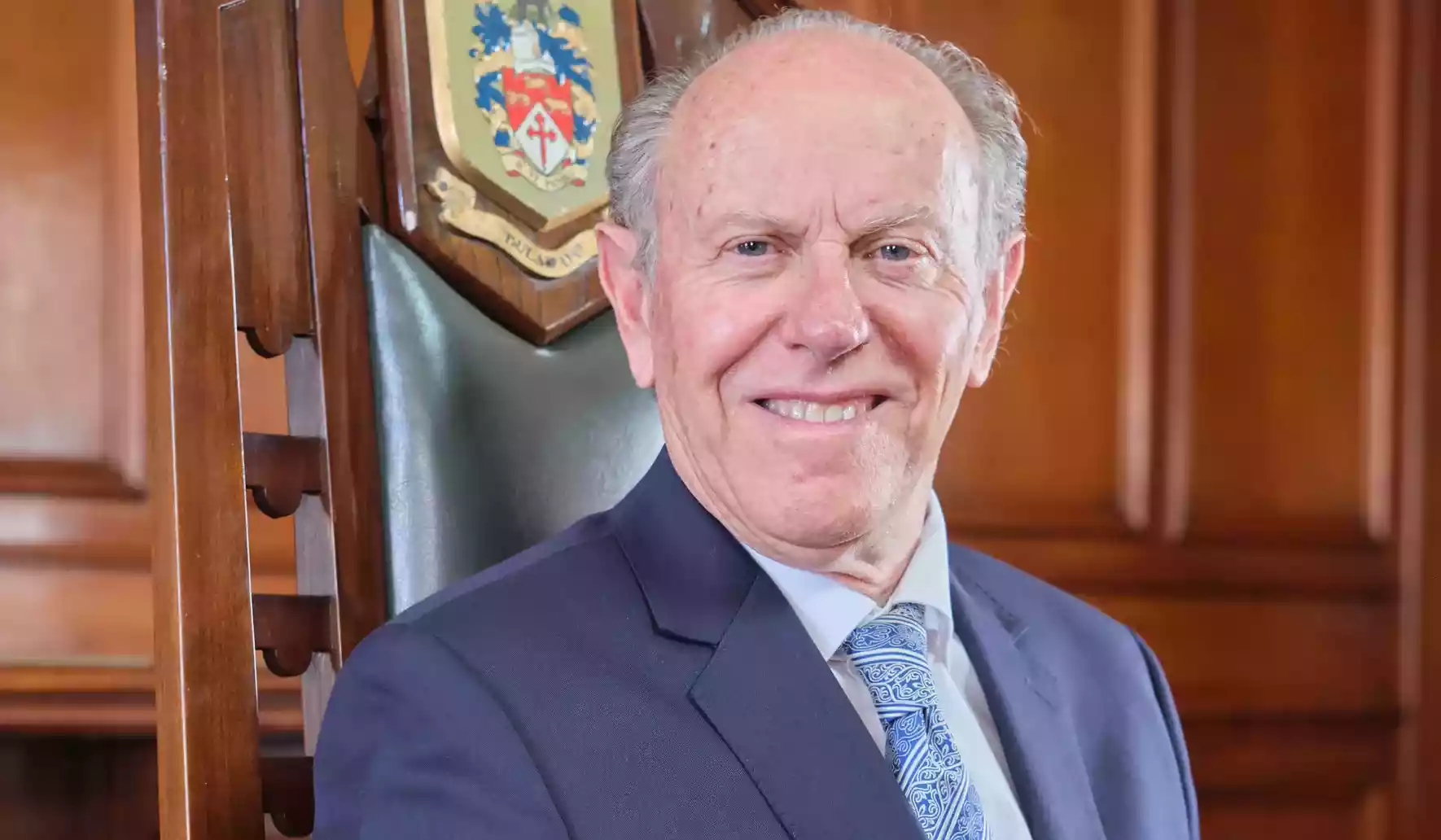
Mhlanga was addressing the Chancellor, Vice Chancellor, the provost, Deans, heads of departments, students and lecturers at London South Bank University.