DISGRUNTLED citizens have accused Zanu PF of deliberately weakening opposition parties through financial inducements and political patronage as part of an alleged strategy to consolidate power and advance a one-party State agenda.
The allegations emerged during a focus group discussion organised by the Election Resource Centre (ERC) in Mutare yesterday, where participants shared their views on Zimbabwe’s electoral environment and prospects for reforms.
Participants claimed that the ruling party has increasingly relied on State-controlled political funding, cash payouts and material incentives to influence opposition legislators and senior officials.
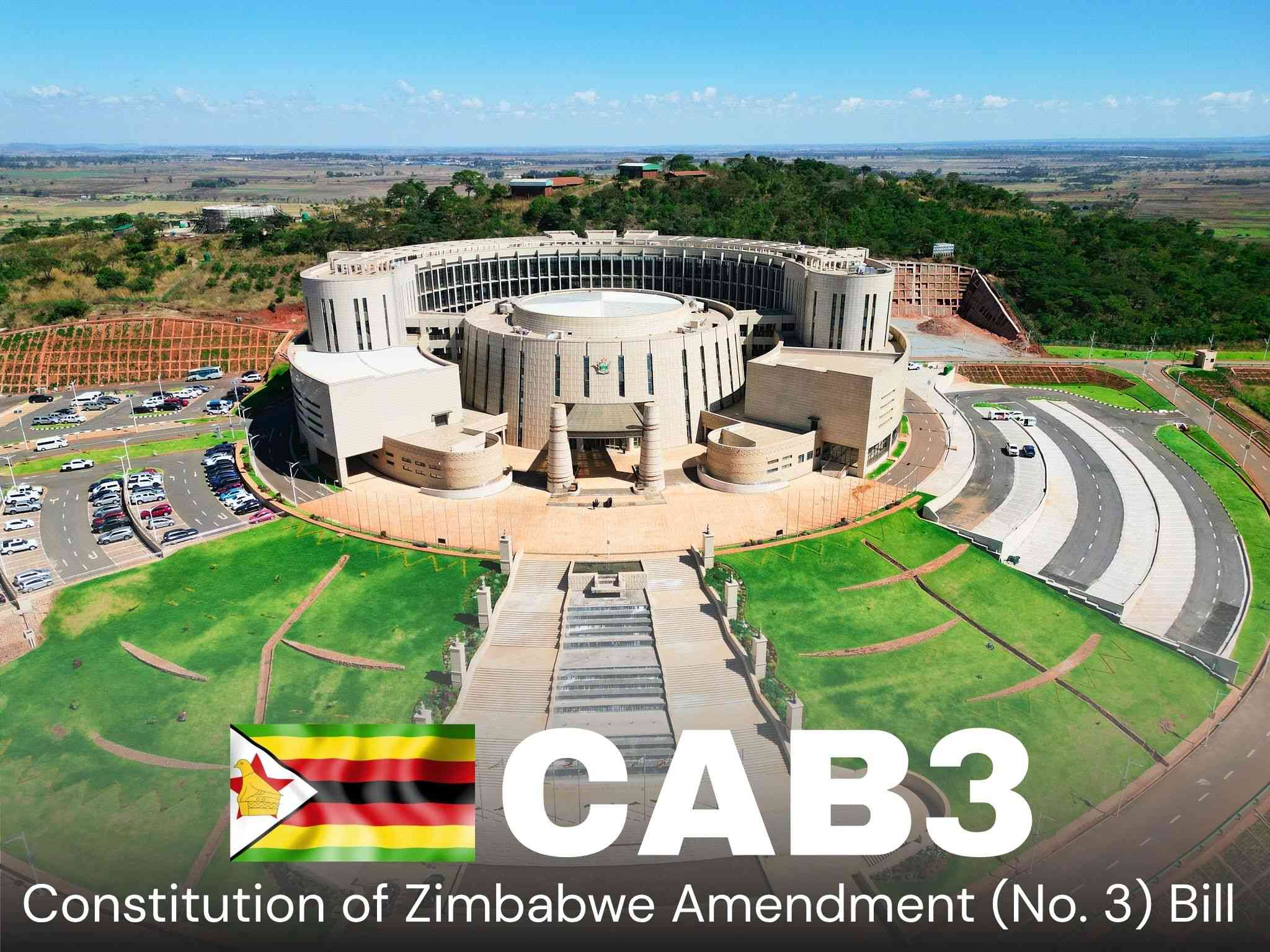
One participant alleged that opposition lawmakers were facing pressure to support the controversial Constitution Amendment No. 3 Bill (CAB 3), which critics say seeks to extend President Emmerson Mnangagwa’s term of office and alter the country’s presidential election framework.
“As we speak, there is Constitution Amendment No 3 Bill. Zanu PF is aggressively pushing the controversial CAB 3 to extend President Emmerson Mnangagwa’s term and alter presidential election methods,” the participant said during the discussion.
“We voted for opposition Members of Parliament, but sadly, they are facing immense pressure and financial incentives, including alleged US$50 000 payouts, to support these bills and betray their constituents.”
Other participants alleged that funds were being channelled towards splinter groups and compromised opposition leaders in a bid to destabilise opposition movements.
“We have seen high-profile opposition members and former mayors defecting,” the second participant said.
- Corruption Watch: Get scared, 2023 is coming
- Corruption Watch: Get scared, 2023 is coming
- Letters: Ensuring Africa’s food security through availability of quality seeds
- Is military's involvement in politics compatible with democracy?
Keep Reading
“These crossovers are driven by financial and material inducements, including cash payouts.”
The citizens further accused the ruling party of exploiting food aid and agricultural inputs for political gain, particularly during election periods.
“Zanu PF manipulates food aid and agricultural inputs to coerce, punish and control voters during elections,” a third participant said.
“This practice severely compromises electoral reforms.
“Party officials and some traditional leaders often threaten perceived opposition supporters ahead of elections.”
Participants also raised concerns over the alleged use of State resources during election campaigns, claiming that ruling party leaders frequently deploy government assets and distribute cash at rallies to demonstrate financial superiority over opposition candidates.
According to attendees, such practices create an uneven political playing field and undermine public confidence in electoral processes.
Speaking to NewsDay Weekender on the sidelines of the meeting, ERC executive director Babra Ontibile Bhebe said the focus group discussion was aimed at gathering stakeholder views on progress made in implementing recommendations from previous election observer mission reports.
“The objective of this focus group discussion is to understand stakeholders’ perspectives on the progress made in implementing recommendations from previous election observer mission reports,” she said.
“We want to identify challenges and opportunities for electoral reforms and gather suggestions for strengthening electoral processes.”
Bhebe said the consultations would contribute to ongoing efforts to promote democratic participation and improve Zimbabwe’s electoral framework.
Zanu PF is on record for firmly rejecting claims of electoral malpractice.
The party maintains that providing food and transport to rally attendees is a hospitality measure for supporters travelling long distances.
Furthermore, the leadership asserts that rural development projects are part of national agricultural and economic programmes meant to benefit all citizens rather than manipulate voting preferences
But political analysts have long argued that strengthening electoral institutions, ensuring transparency in political financing and safeguarding the independence of oversight bodies remain critical to building public trust in Zimbabwe’s democratic processes.