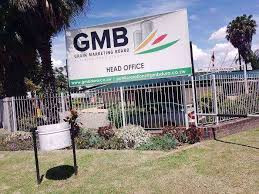
LAWMAKERS have raised alarm over the Grain Marketing Board (GMB)’s payment structure, saying it disproportionately favours wheat farmers at the expense of maize and traditional grain producers.
The concerns come as Zimbabwe pushes farmers, particularly in dry regions, to grow small grains as a climate adaptation strategy.
However, persistent delays in payment and uneven disbursements by GMB are now seen as undermining rural livelihoods and threatening food security, as smallholder farmers struggle to sustain production.
The government has been encouraging increased production of traditional grains to strengthen food security amid worsening climate conditions.
Last year, Zimbabwe produced 634 000 metric tonnes of traditional grains, alongside 2,293 million tonnes of maize.
However, a Public Accounts Committee (PAC) report tabled before Parliament revealed that GMB owed farmers US$34 million.
The board received US$13 million and ZiG150 million to clear arrears.
Of the US$13 million disbursed, US$11 million went to wheat farmers, while only US$2 million was paid to maize and traditional grain producers.
- Minister bemoans shortage of schools
- BCC joins Green Cities initiative
- Drunkard kills church pastor
- Letter from America: The death of the Zimbabwe dollar shows the King has no clothes
Keep Reading
Lawmakers said the imbalance deepened rural poverty and threatened national food security, given the central role of maize and small grains in Zimbabwe’s subsistence economy.
“The committee was informed that GMB owed US$34 million to farmers and they received US$13 million and ZiG150 million towards the payment of the outstanding debts.
“Of the US$13 million, US$2 million was used to pay farmers of maize and traditional grains, and the remainder (US$11 million) went towards the payment of wheat farmers,” Parliament heard.
The report described chronic indebtedness at GMB, with delayed payment becoming a recurring operational problem.
Legislators said this reflected systemic underfunding and weak financial planning.
“The committee observed that chronic indebtedness, recurrent payment delays demonstrate systemic underfunding of grain procurement and equity concerns. Wheat farmers received 85% of USD payments (US$11m/US$13m), disadvantaging smallholder maize producers.
“Lack of ring-fenced funding for farmer obligations contravenes section 298(2) of the Constitution, which requires that no taxes may be levied except under the specific authority of this Constitution or an Act of Parliament,” Parliament heard.
To address the crisis, PAC recommended that GMB clear all outstanding arrears by July 31, establish a transparent payment schedule by June 30, publish quarterly debt repayment updates and develop a sustainable funding model with Treasury by September 30.
Debating the motion, lawmakers said timely and equitable payment was critical to food security and economic stability.
“What this report presents is a clear path for reform and alignment with best practice. By strengthening governance systems, formalising operational frameworks, enhancing financial discipline and prioritising farmer welfare, Zimbabwe can position GMB as a modern and efficient institution,” Hurungwe East MP Chenjerai Kangausaru said.
Mbizo MP Corban Madzivanyika said the chronic indebtedness was trapping rural farmers in poverty, while Zaka East MP Clemence Chiduwa called for reforms to allow grain trading on the open market.
The debate will resume tomorrow.