WORKERS across Zimbabwe commemorate International Workers’ Day today under a cloud of deepening economic hardships, with unions warning that deteriorating conditions, low wages and shrinking labour rights have stripped the day of its celebratory mood.
This year’s commemorations come amid rising tensions in the labour sector, with threats of job action in key public services.
Nurses staged protests last week over poor working conditions and low salaries, indicating growing unrest across the workforce.
The Constitution Defenders Forum (CDF) urged workers to use May Day commemorations as a platform to reject Constitutional Amendment No 3 Bill, which it described as a threat to both democracy and workers’ welfare.
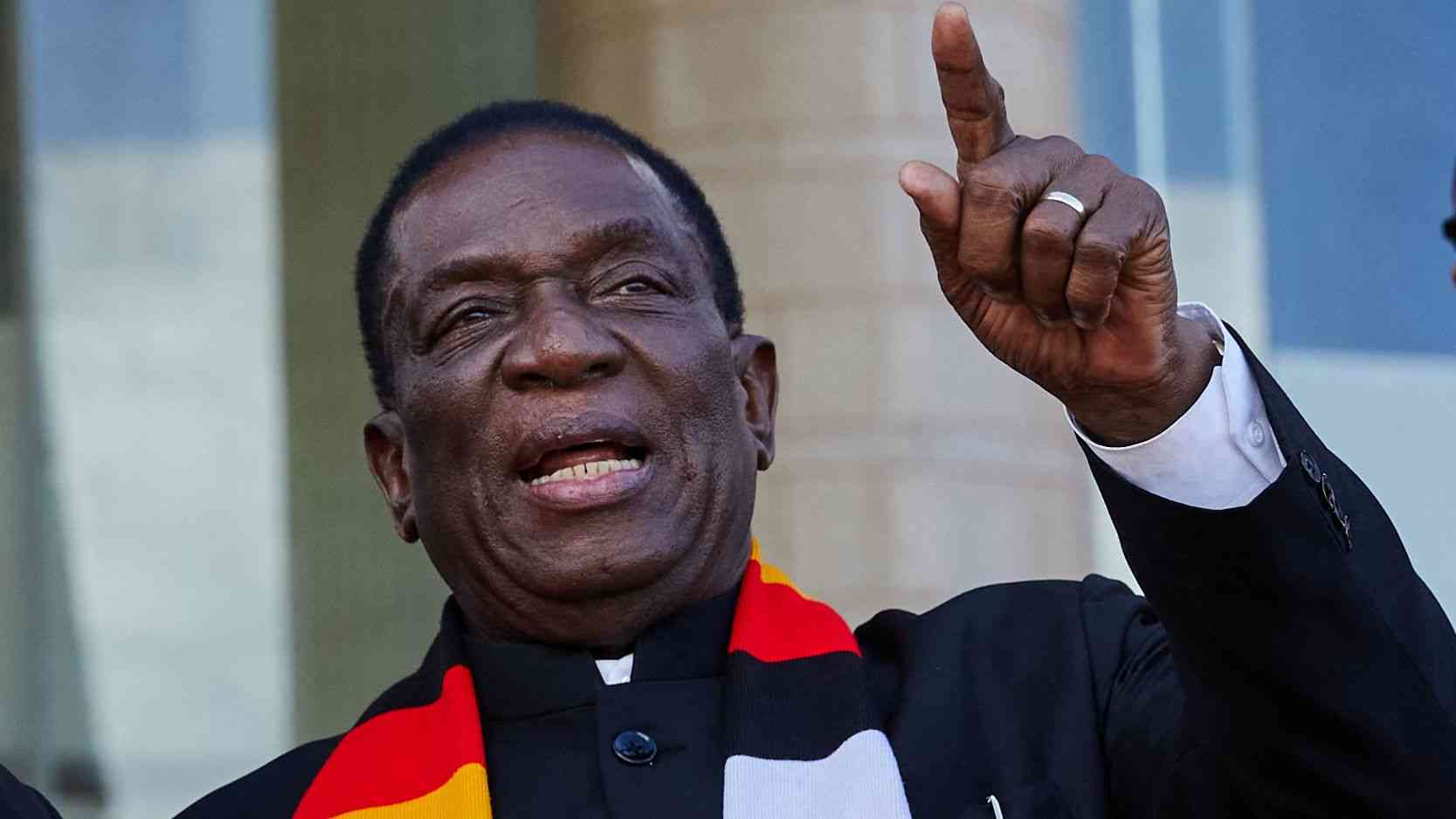
The forum accused President Emmerson Mnangagwa of presiding over worsening economic conditions, including company closures and job losses since 2017.
“It is within this context that CDF is calling on workers to use the Workers’ Day commemorations to reject Constitutional Amendment No 3 Bill,” CDF spokesperson Jacob Rukweza said.
“Statistics show that over 100 companies have closed since President Emmerson Mnangagwa took over power through a coup in 2017.
“Across the country, thousands of workers have lost jobs and incomes in the past decade as firms closed down.
- ‘Art therapy critical in combating mental disorders’
- ZCTU challenges employers on bonus
- Tobacco exports surge
- Opposition declares red line against ED life presidency
Keep Reading
“These are not signs of a developing country nor a successful government. These are signs of a collapsing economy and a workforce suffocating under the grip of an incompetent government.”
The group argued that the proposed amendment seeks to extend the tenure of political leaders while workers continue to face poverty and unemployment.
The Progressive Teachers Union of Zimbabwe (PTUZ) called on the government to restore teachers’ status and dignity through fair wages and decent work.
“As PTUZ, we urge workers in Zimbabwe to be united, vigilant and unionised, and to organise across the union divide to fight for better salaries and conditions of service in 2026,” PTUZ president Takavafira Zhou said.
“We need to collectively fight as brothers and sisters or else we will perish as fools.”
The union is demanding a basic salary of US$540 per month, alongside a range of allowances including housing, transport and hardship packages, arguing that current earnings are far below the cost of living.
PTUZ also raised concern over labour rights, accusing authorities of undermining collective bargaining through outdated regulations and unilateral decisions, including a controversial job evaluation exercise that it says lowered teachers’ grades.
Said Zhou: “We remind the government of our right to binding collective bargaining under section 65 of the Constitution as opposed to the current collective begging under the archaic, rusty and obsolete Statutory Instrument 141 of 1997.
“It is prudent for the government to respect ILO Conventions 87 and 98 that it has ratified and to ratify and domesticate ILO Conventions 151, 154 and 156.”
The Amalgamated Rural Teachers Union of Zimbabwe (Artuz) painted a bleak picture.
It called for a minimum wage benchmark of US$300, with a roadmap towards a US$1 260 living wage.
“We equally demand justice for rural producers and primary workers whose labour sustains the economy while they remain trapped in exploitation and poverty.”
The union also threatened to resort to industrial action, announcing plans to intensify co-ordinated job protests when schools open for the second term.
Beyond the education sector, conditions in the retail and wholesale industry were described as “dire”, with workers’ representatives saying the day should be one of mourning rather than celebration.
The Progressive Retail and Wholesale Workers Union of Zimbabwe (PRWWUZ) accused some employers of union-busting, intimidation and victimisation of workers.
It said workers were trapped in unstable short-term contracts, denied job security and struggling to survive on wages that could not match the cost of basic goods.
“The discrepancy between official exchange rates and the actual cost of living means retail workers are handling goods everyday that they can no longer afford.”
PRWWUZ also raised concern over lack of transparency in wage negotiations under the current National Employment Council framework, describing the system as “hijacked” and unrepresentative of workers’ interests.
Across sectors, unions highlighted a growing “brain drain” as skilled professionals — including teachers, nurses and engineers — leave the country in search of better opportunities, further weakening public services.
They also criticised what they called a heavy tax burden on workers, urging the government to review tax thresholds to provide relief.
While unions are expected to join commemorations organised by the Zimbabwe Congress of Trade Unions, there were calls for decentralised activities to ensure grassroots workers’ voices are heard.