STRIKING nurses have called on authorities to investigate “naughty” officials who effected a salary adjustment based on a review that has been rejected by health service workers across Zimbabwe.
Nurses yesterday embarked on a three-day strike over poor salaries and deteriorating working conditions.
The job action has disrupted operations at hospitals across the country, with the government last night urging striking workers to suspend the industrial action to allow for further negotiations.
The protest comes amid escalating tensions between nurses and the government over salary adjustments and worsening working conditions, with health workers saying previous engagements failed to produce meaningful results.
The Zimbabwe Nurses Association (Zina) said the industrial action would run from April 20 to 22 following the postponement of an earlier planned demonstration.
At Sally Mugabe Central Hospital, some nurses said they were preparing to protest within hospital premises, signalling the start of a nationwide job action.
Nurses say repeated engagements with their employer have yielded no meaningful results, leaving them with little option but to escalate their action.
“We can no longer afford even basic transport to come to work. Our salaries have been eroded to nothing,” one nurse said.
- In Full: Nineteenth post-cabinet press briefing: July 05, 2022
- Hesitancy slows Covid vaccination for children
- Hesitancy slows Covid vaccination for children
- Multisectoral COVID-19 messaging campaign improving prevention and vaccine uptake in Zimbabwe
Keep Reading
In Bulawayo, healthcare services at United Bulawayo Hospitals were severely disrupted after nurses heeded the call for the strike.
The protesters said they were struggling to cope with the rising cost of living, accusing authorities of failing to implement a pay increase that was previously announced by the government through the Health and Child Care ministry.
“Our pay is not enough; it is painful. We are spending about US$3 daily on transport. We have children to support, school fees to pay, as well as rent, water and electricity bills,” said one nurse during the demonstration.
“Payday only brings stress and headache. As much as we are helping others, we should also be helped. This demonstration is our last option,” she said.
The nurses highlighted transport challenges, with some saying they have resorted to hitchhiking due to high commuting costs.
“We are hitchhiking because transport costs are too high. We are spending US$3 a day,” said another nurse.
In an interview with NewsDay last night, Zina president Enock Dongo said nurses were shocked to receive salaries they had not agreed to.
“The government proposed a review for all civil servants, which we all rejected, but someone in the government offices became naughty and decided to use the new salaries.
“Some of our members received reduced salaries, while others got amounts far below what they used to receive before the latest payments.
“We are saying this is not the position that we agreed on and we cannot let some people play politics while the patients and clients who use our services are suffering,” he said.
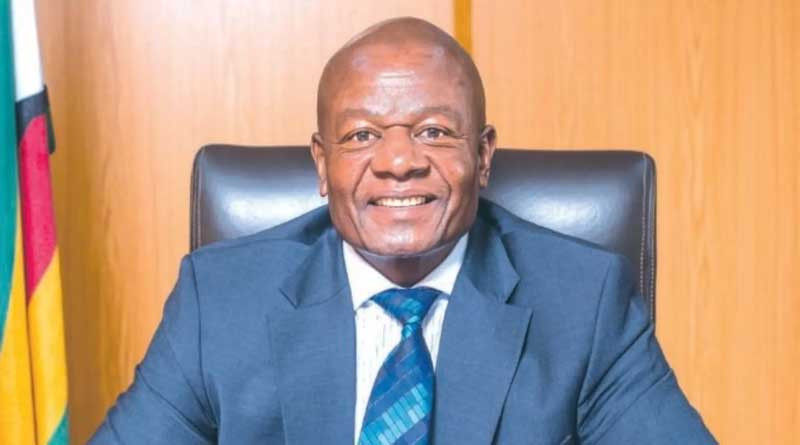
Douglas Mombeshora, the Health and Child Care minister, yesterday said the government had taken note of the ongoing nurses’ strike.
Addressing journalists, Mombeshora said authorities recognised the importance of engagement through proper channels, adding that the striking nurses had submitted their concerns, leading to the job action.
“The Ministry of Health and Child Care acknowledges receipt of the concerns raised by nurses’ representatives through the Zimbabwe Nurses Association, following reports of withdrawal of services at some isolated health institutions.
“Government recognises the importance of these engagements through the appropriate channels. In this regard, discussions have been convened between the health apex panel
and the Health Services Commission,” he said.
Mombeshora said processes were underway to review the concerns in a “structured and responsible manner”, guided by the need to balance the delivery of critical health services with the welfare of health workers.
“The ministry, therefore, appeals to those health workers who have withdrawn their services to suspend the industrial action and allow space for constructive dialogue and orderly engagement in the best interests of patients and the nation at large,” he said.