THE government’s allocation of at least 15% of the national budget to health, in line with a continental benchmark, does not on its own guarantee improved health service delivery, the Community Working Group on Health (CWGH) has warned.
The caution comes as Zimbabwe touts compliance with the 2001 Abuja Declaration, which commits African Union member States to allocate a minimum of 15% of national budgets to health.
However, health rights advocates argue that weak safeguards, funding leakages and unresolved workforce challenges continue to undermine service delivery, particularly for poor rural communities.
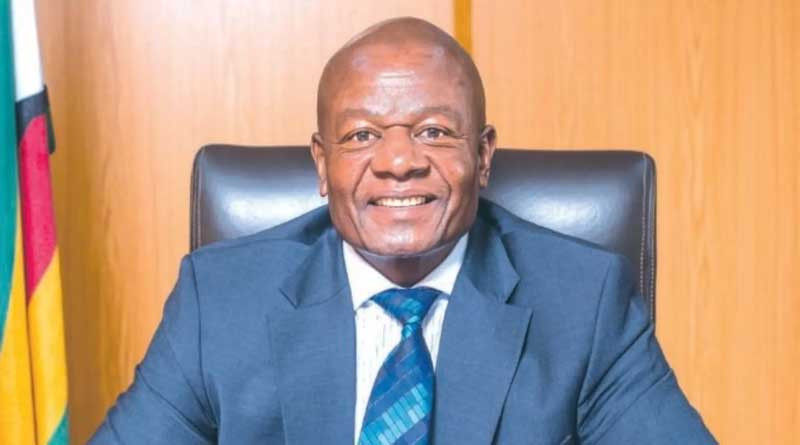
According to the CWGH Annual Report 2025, executive committee chairperson Ndumiso Mgutshini said while the allocation appeared to meet the Abuja benchmark numerically, the absence of safeguards around earmarked health taxes remained a major concern.
“Although in aggregate the allocation numerically represents the Abuja target of 15%, working on an assumption that the earmarked taxes towards health will be disbursed, we are worried that there is no commitment to ensure earmarked taxes for health will be prioritised,” he said.
Mgutshini called for the ring-fencing of earmarked health taxes to ensure they are used for their intended purpose, stressing that transparency and accountability are paramount.
He highlighted persistent health workforce challenges, calling for competitive salaries and improved conditions of service, particularly in rural areas.
“There must be commitment to address health workforce issues, such as competitive salaries, if the government is to retain critical skills within the health sector.
- Social commentary: Zim women face risks in giving life
- Bosso search for elusive away win
- Social commentary: Zim women face risks in giving life
- Women steal show at ZCN awards
Keep Reading
“We need to review staffing levels to match population growth and health emergencies, ensuring health workers, especially in remote areas, are adequately supported. Absorption of village health workers (VHWs) into the government payroll system should be prioritised,” he said.
Mgutshini also warned that the recently enacted Private Voluntary Organisations Act can restrict civil society’s ability to effectively serve communities.
“Progress towards universal health coverage depends on increased public revenue and a supportive environment for civil society,” he said.
CWGH pointed out major gains in health rights advocacy during 2025, including a landmark High Court ruling on reproductive justice.
Mgutshini also said the organisation had successfully challenged the restrictive provisions of the Termination of Pregnancy Act in the court affirming that mental health is a vital component of the constitutional right to health.
“CWGH remains steadfast in its mission to advocate for equitable, accessible and high-quality health services for all Zimbabweans. With a resilient team, strategic partnerships and a clear vision for the future, the organisation is poised to continue its vital work and contribute meaningfully to Zimbabwe’s health sector goals for
2030 and beyond,” Mgutshini said.
Meanwhile, CWGH executive director Itai Rusike said the ruling marked a significant step forward for reproductive health justice in Zimbabwe.
“The ruling strengthens constitutional protection for women’s autonomy, dignity and health and lays a foundation for rights-aligned legislative reforms,” he said.
Rusike said CWGH remained committed to rebuilding the health system through primary healthcare and community participation, noting that health gains must prioritise the poorest and most vulnerable.
“The health system must be rebuilt from the bottom up, not as a top-down phenomenon,” he said.