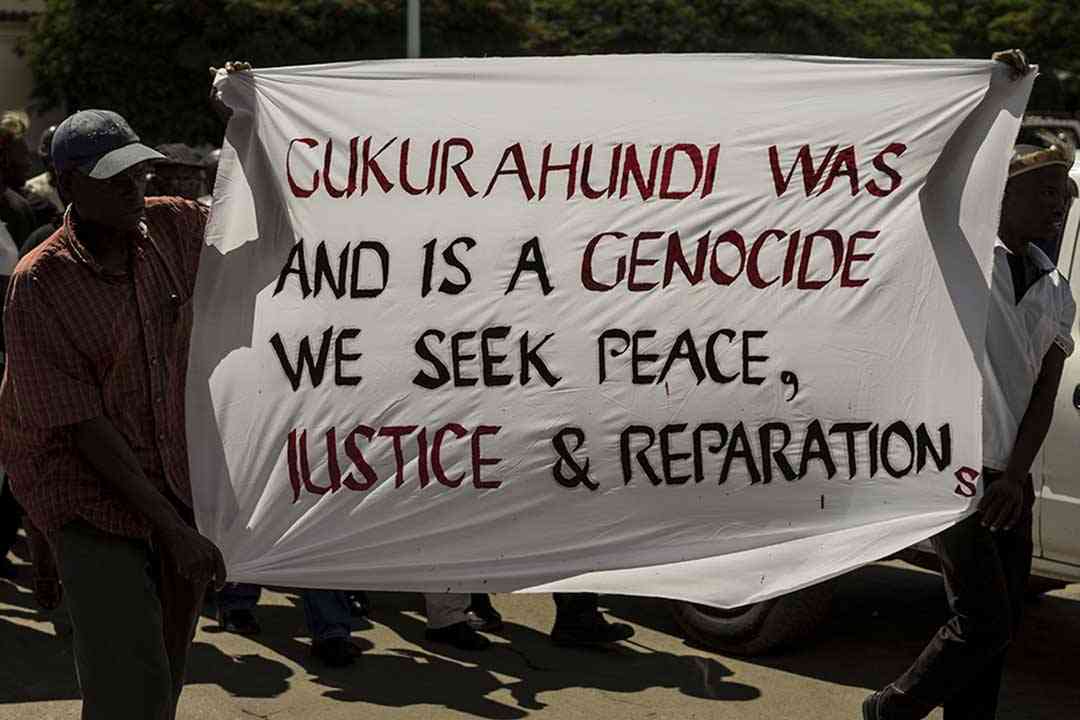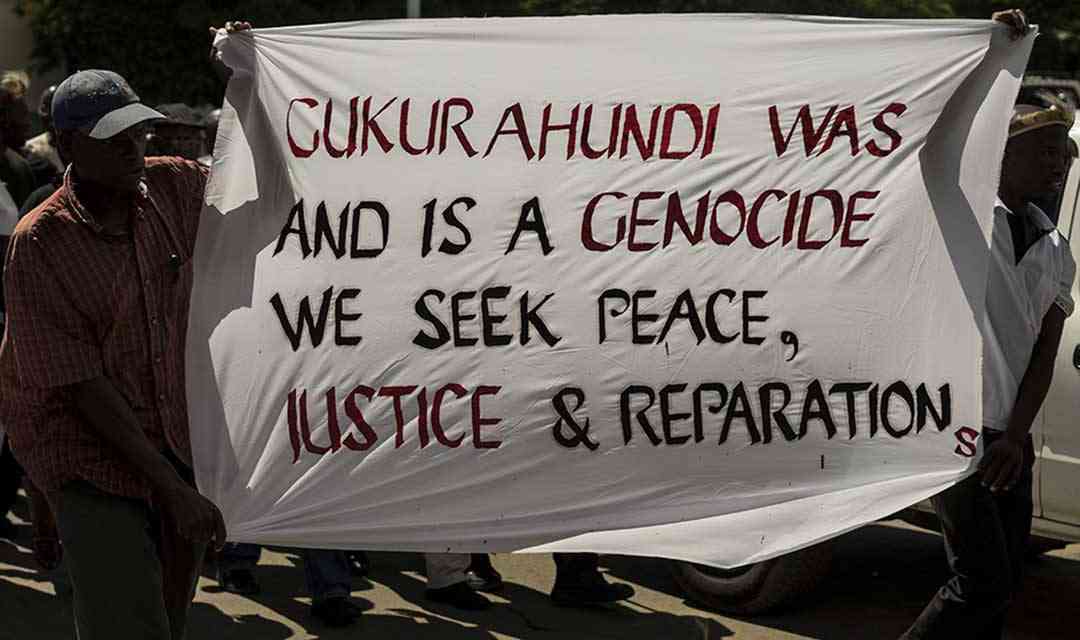
GUKURAHUNDI victims have questioned the meetings outcomes amid concerns that the process is taking too long and victims and survivors are dying without compensation.
The hearings started last year and are being presided over by traditional chiefs and a panel of community members in the Matabeleland region where the massacres were committed.
In an interview with NewsDay Weekender, Chief Nalukoba of Hwange district said they had been told that the Gukurahundi meetings would resume soon after the government has finished sorting out transport logistics.
“The meetings had stopped because of the non-availability of transport. We have been informed that we will be provided with the coupons for fuel to continue with the work,” he said.
“There are arrears in terms of allowances for the teams on the ground, but we have been promised that they will get them.”
He said the victims are now asking questions on when the compensation of the victims is going to start since most of them are dying.
“They want to know the timeframe for the whole process.
They say time is not on their side, they are dying and that once they die, who is going to get the compensation since the reconciliation process has not been completed yet.”
- Ziyambi’s Gukurahundi remarks revealing
- Giles Mutsekwa was a tough campaigner
- New law answers exhumations and reburials question in Zim
- Abducted tourists remembered
Keep Reading
One of the victims who spoke on conditions of anonymity said the government should start compensating those that have been registered so far.
“Some of us have been interviewed,” they said.
“The government should start with the first batch for people to see if the whole exercise is genuine or not.
“Some are still waiting to see what is going to happen with those that have been interviewed in the past before they can commit themselves also.”
The victim stated that they want to know how much they are going to get as compensation and the timeframe.
Added another victim: “The process is taking too long, if we die before the completion of this process, our children will not be able to benefit from the exercise.”
However, reports indicate that the Gukurahundi was a series of mass killings in Matabeleland and Midlands regions, which were committed from 1983 until the Unity Accord in 1987.
The campaign targeted mainly the Ndebele ethnic group and supporters of opposition leader Joshua Nkomo.
Starting in 1983, the late former President Robbert Mugabe deployed an elite North Korea-trained army unit to crack down on a revolt in the western Matabeleland region, the heartland of the Ndebele minority.
The Catholic Commission for Justice and Peace in Zimbabwe estimated that about 20 000 people were killed in the massacres.
When he launched the hearings, President Emmerson Mnangagwa announced that survivors would be interviewed in a series of village hearings in a bid to settle long standing grievances and tensions.