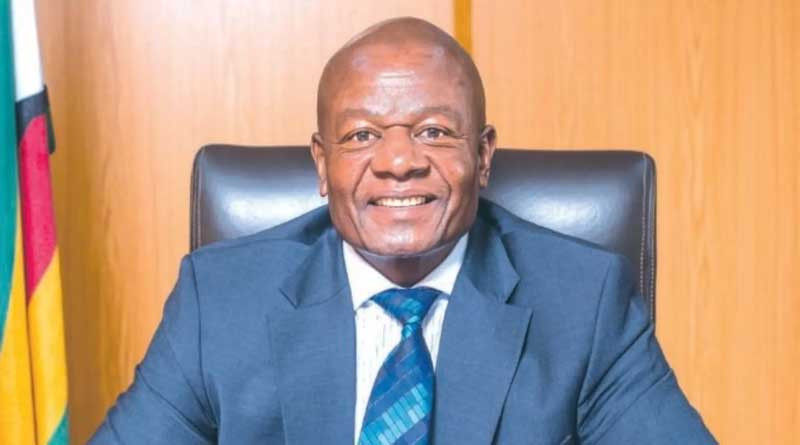
INFORMATION, Publicity and Broadcasting Services secretary Ndavaningi Mangwana has urged civil society organisations and the private sector to work closely with government to curb rising road carnage.
This follows a recent Parliamentary Portfolio Committee on Transport report which revealed that road traffic accidents are now the third leading cause of death after HIV and Aids and tuberculosis. According to
ZimStat, crashes rose sharply to 15 350 in the second quarter, up from 12 808 in the previous quarter.
Speaking at the Awareness and Impact — Zimbabwe Fundraising Conference hosted by the Nyasha Mangaba Foundation (NMF) in Harare, Mangwana said collaboration across sectors was key in promoting responsible driving and road safety.
“We must work together across government, civil society and the private sector to address the full chain of road safety,” he said, citing the need for roadworthy vehicles, strong policing, improved signage and functioning traffic lights, as well as community education.
Mangwana urged the media to uphold ethics when reporting on accidents, adding that insensitive coverage traumatised survivors and families.
“No family should wake up to the shock of seeing their loved one’s final moments plastered across social media,” he said. “We are pushing for ethical communication, dignity for victims and protection of families’ emotional well-being.”
NMF offers counselling, trauma support and community outreach to road crash survivors.
- Thousands flee economic mess
- ZimStat undertakes to pay enumerators
- 'Apostolic sects frustrating fight against measles'
- Graft 'bleeding' ZimStat
Keep Reading
Its founder, Mangaba, appealed to government and local authorities to prioritise road rehabilitation and infrastructure renewal.
“We need clear signage, visible markings, working traffic lights and timely reconstruction before potholes become death traps,” she said. “When roads remain broken for years, we are not just neglecting infrastructure; we are risking lives.”
Memory Tafadzwa Maja-Chitsamatanga, the sole survivor of a tyre-burst crash that claimed four lives, commended NMF’s support and called for a stronger mental-health component in the health delivery system.
“At the core of the gap are depression, anxiety and post-traumatic disorders affecting survivors,” she said. “We need a comprehensive system that responds to these realities. Many people are stuck because they don’t know how to navigate life post-trauma.”
She urged NMF and policymakers to push for holistic care for trauma
survivors