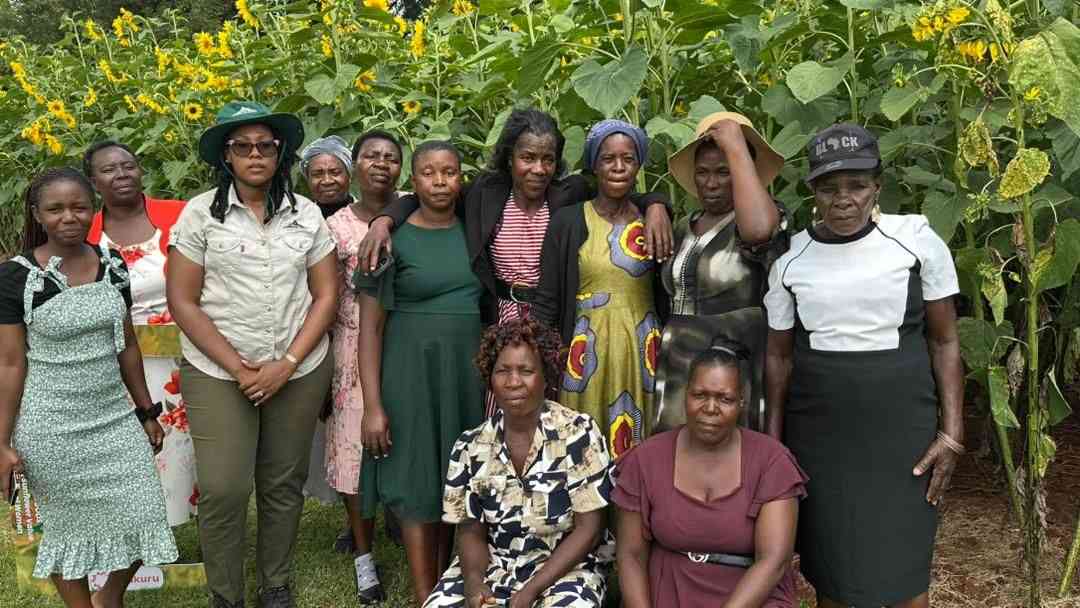
The Women in Farming and Entrepreneurship (WIFE) Food for Life Festival, scheduled for May 30 at David Livingstone Primary School, is positioning itself as a strategic market access platform rather than a conventional agricultural showcase.
Organisers say the event will connect women farmers and agro-entrepreneurs to both domestic and export opportunities, as global attention increasingly shifts toward the role of women in food systems.
WIFE founder and director Amanda Munyoro said the festival is deliberately structured to go beyond exhibitions, integrating practical training and market-oriented dialogue.
“There will be more than an exhibition this May 30, as the WIFE Food for Life Festival opens local and international doors,” Munyoro said.
A key focus will be preparing participants for export markets, particularly in light of emerging trade opportunities under China’s zero-tariff initiative. The policy is expected to enhance the competitiveness of Zimbabwean agricultural products, especially in processed and high-value segments.
The festival comes amid growing international recognition of women’s contribution to agriculture. The United Nations, through the Food and Agriculture Organization (FAO), has designated 2026 as the International Year of the Woman Farmer, a move aimed at accelerating gender equality across agrifood systems.
Women currently account for an estimated 41–43% of the global agricultural labour force. However, structural constraints continue to limit their productivity and earnings. FAO research suggests that equal access to land, inputs and financing could raise women’s farm yields by up to 30%, with significant implications for global food security.
Despite their central role, women own less than 20% of agricultural land worldwide and consistently earn less than men in wage-based agricultural work. Climate change is further widening these disparities, with female-headed households more exposed to income shocks linked to rising temperatures and weather variability. The burden of unpaid care work also continues to constrain women’s ability to scale commercial farming operations.
- Man (60) nabbed for kidnapping 25 children
- Harare to host Food for Life Festival spotlighting women in agriculture and entrepreneurship
- Women in farming eye local and export markets at WIFE festival
Keep Reading
Against this backdrop, the WIFE festival is designed to bridge both knowledge and market gaps. Training sessions will focus on value addition, branding, and compliance with international standards—critical requirements for accessing export markets such as China.
The programme will also emphasise cooperative models and farmer networks, seen as essential for aggregating production volumes and managing export logistics. In addition, digital trade and e-commerce platforms are expected to feature prominently, reflecting the ongoing shift in global agricultural trade dynamics.
Organisers say the event is open to women farmers, agribusiness entrepreneurs and supporting institutions. Exhibition space is priced at US$20 per table, while general entry is set at US$2.
Ultimately, the festival aims to create a convergence point for producers, buyers and development partners, with a focus on translating participation into measurable economic outcomes for women in agriculture.