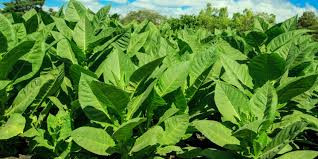
HARARE, Mar. 2 (NewsDay Live) – Zimbabwe’s tobacco sector is now supporting 135 284 households, a 37% increase over several years after the crop generated US$1,2 billion in revenue during the 2024/25 agricultural season.
Improved rainfall last season boosted tobacco output, resulting in 355 million kilogrammes being sold during the period under review.
The government is now targeting a record 400 million kilogrammes for the 2025/26 season, with more than 162 000 hectares planted under tobacco. The hectarage marks a 42% increase from the previous season, raising prospects for higher output if favourable rainfall continues.
Speaking at the Tobacco Industry and Marketing Board (TIMB) media interface, TIMB chief executive officer Emmanuel Matsvaire described the growth in benefiting households as a major milestone.
“There’s notable progress that has been made since 2017. In 2025, our growers earned US$1,2 billion. This is the first time in our history that farmers have exceeded US$1 billion,” he said.
“We have not surpassed US$1 billion in earnings for a very long time. Currently, about 135 284 households are supported by tobacco, representing a 37% increase from 98 000 households in 2017.”
Matsvaire said growers’ earnings had risen significantly in 2025 and were expected to increase further this year.
“On average, earnings per grower rose to about US$10 000 in 2025, a 100% increase from the US$5 000 recorded in 2017. Growers are now earning considerably more,” he said.
- Tarakinyu, Mhandu triumph at Victoria Falls marathon
- Plot to oust ED thickens
- Bread in short supply as bakeries demand US$
- Young vocalist making southern Africa dance
Keep Reading
“This year, we expect to reach 400 million kilogrammes of tobacco. Following our assessment, we project production of 400 million kilogrammes, up from last year’s 355 million.”
He described the projected output as a significant step towards the 2030 target of 500 million kilogrammes.
However, Matsvaire noted that the industry is facing global oversupply pressures.
The board has also reduced tobacco classification grades to 669.
“In terms of the blending process, 669 grades are more appropriate. We have reduced the grades for the benefit of farmers so that pricing is better aligned. This is aimed at improving farmer profitability,” he said.
He added that the decision followed consultations with the industry’s technical committee and approval by the board of directors.
Matsvaire acknowledged growing pressure on tobacco prices globally.
“We are not trying to intimidate our market. We are aware of a standoff on prices in Brazil due to lower-quality tobacco that is not being paid for,” he said.
“There is also a standoff in Tanzania, where excess lower grades have led to price reductions. However, growers producing high-quality crops should not fear, as there will always be good prices for well-graded tobacco.”
TIMB head of ICT Edson Nhemachena said the board’s database lists 459 000 registered growers, although only about 100 000 are actively producing tobacco.
He said the board had introduced a biometric grower management system to better regulate registered growers.
“We want to stop the abuse of grower accounts by other farmers. Some farmers use accounts belonging to growers who are not active within the ecosystem,” Nhemachena said.
The biometric system will also help verify growers’ indebtedness under contract farming arrangements and other credit facilities, he added.