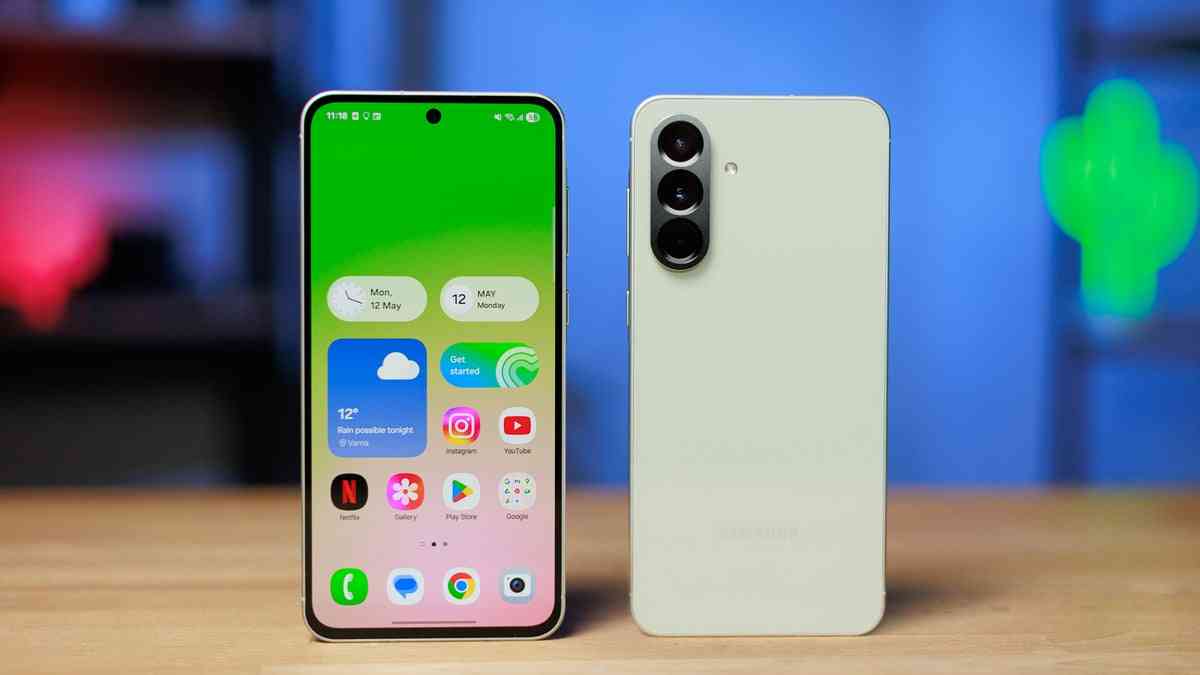
For years, the smartphone industry followed a predictable script where manufacturers rolled out premium flagships with eye-watering price tags and consumers dutifully lined up.
However, a massive shift is underway because innovation in ultra-premium tiers has hit a plateau, leading everyday users to realise they do not need $1,200 capabilities to scroll, snap and play.
The modern mid-range smartphone has completely disrupted this cycle, as devices sitting comfortably in the sub-US$500 market are no longer the compromised budget options of the past.
Instead, they have become the ultimate sweet spot for consumers demanding smooth everyday performance, capable gaming and crisp photography without breaking the bank.
This transition is entirely redefining what is considered good enough for daily tasks, especially since the gap between a flagship processor and a mid-range chipset has narrowed significantly.
Modern mid-tier silicon easily handles complex background tasks, intensive multitasking and seamless app switching without a hint of stutter.
Driving this change is a massive jump in base-level architecture that allows brands to squeeze premium-level performance into highly affordable frames.
For the average user whose digital day consists of switching between WhatsApp, managing work emails, streaming high-definition video and updating social feeds, these processors deliver an identical real-world experience to phones costing three times as much.
- Include PWDs in electoral processes: CSOs
- Mental Health: The impact of smartphone overuse on our mental wellbeing
- Implementation of African cultural aspects crucial in film
- Overcoming smartphone addiction
Keep Reading
Tech analyst Mr Whose The Boss supports this industry insight by noting that most consumers rarely push their devices to peak processing limits and a high-refresh-rate screen paired with optimised mid-range silicon provides a perception of speed that is virtually indistinguishable from a premium device during normal daily use.
Historically, mobile gaming served as a harsh dividing line where cheap phones stuttered while expensive ones soared, but that boundary has all but dissolved.
Thanks to upgraded graphics processors and the widespread adoption of 120Hz AMOLED displays in the mid-range bracket, popular and demanding titles like PUBG Mobile, Call of Duty: Mobile and Genshin Impact run beautifully at medium-to-high settings.
Thermal management technology has also trickled down to these tiers, meaning these affordable phones can sustain much longer gaming sessions without overheating or suffering from aggressive battery drain.
These devices consistently deliver silky smooth user interface navigation and gaming physics on their vivid Full HD+ displays, while substantial batteries ranging from 5,000 mAh to an astonishing 7,200 mAh ensure they easily hit 1.5 to two days of heavy, uncompromised use.
Furthermore, fast charging capabilities between 45W and 80W mean juicing up the phone takes mere minutes rather than hours.
The photography department is another area where these smartphones punch well above their weight.
`While flagship devices chase complex variable apertures and excessive 100x space zooms, mid-range smartphones have completely mastered the art of the computational everyday shot.
Devices like the Google Pixel 10a and the Samsung Galaxy A57 5G lead a class of phones utilising high-resolution 50MP main sensors backed by sophisticated Artificial Intelligence.
Joining them in this dominant mid-range category are stellar alternatives like the OnePlus 15R, which boasts a massive battery and near-flagship processing power, the Samsung Galaxy A36 with its brilliant Super AMOLED screen and the highly efficient iPhone 16e.
In daylight, the color accuracy, dynamic range and sharpness of these five devices rival almost any premium hardware on the market.
Furthermore, night mode algorithms have evolved to the point where capturing clean, low-light photos at a dinner party or evening event no longer requires a thousand-dollar investment.
Ultimately, the bottom line proves that smart money wins and the message from the market is clear that paying for features you do not use is a luxury few actually need.
By focusing on exceptional battery endurance, bright high-refresh displays and dependable primary cameras, mid-range smartphones have turned from a compromise into the smartest financial move for the modern consumer.
Furthermore, as long-term software support commitments of up to six or seven years become standard even on this more affordable hardware, the argument for buying a traditional flagship grows weaker by the day because your wallet will thank you and your daily digital life will not miss a single beat.