HARARE, Jul 8 (NewsDay Live)-South African opposition political parties have criticised President Emmerson Mnangagwa for rushing to sign the controversial Constitutional Amendment Bill No. 3 into law just to extend his tenure instead of addressing pressing issues affecting the ordinary citizenry.
The criticism comes amid renewed tensions in South Africa, where xenophobic attacks have targeted foreign nationals, including thousands of Zimbabweans who migrated there in search of economic opportunities after fleeing hardships back home.
Mnangagwa on Tuesday signed Constitutional Amendment Bill No. 3 into law, completing the legislative process for one of Zimbabwe's most contentious law.
The new law extends the terms of office for the President, Parliament and local authorities from five to seven years and changes the method of electing future Presidents.
The legislation was fiercely opposed by opposition parties, constitutional lawyers and civil society organisations, which argued that it weakens the 2013 Constitution and sought to block it through the courts. The government has, however, defended the amendments, saying they are intended to strengthen governance and improve institutional efficiency.
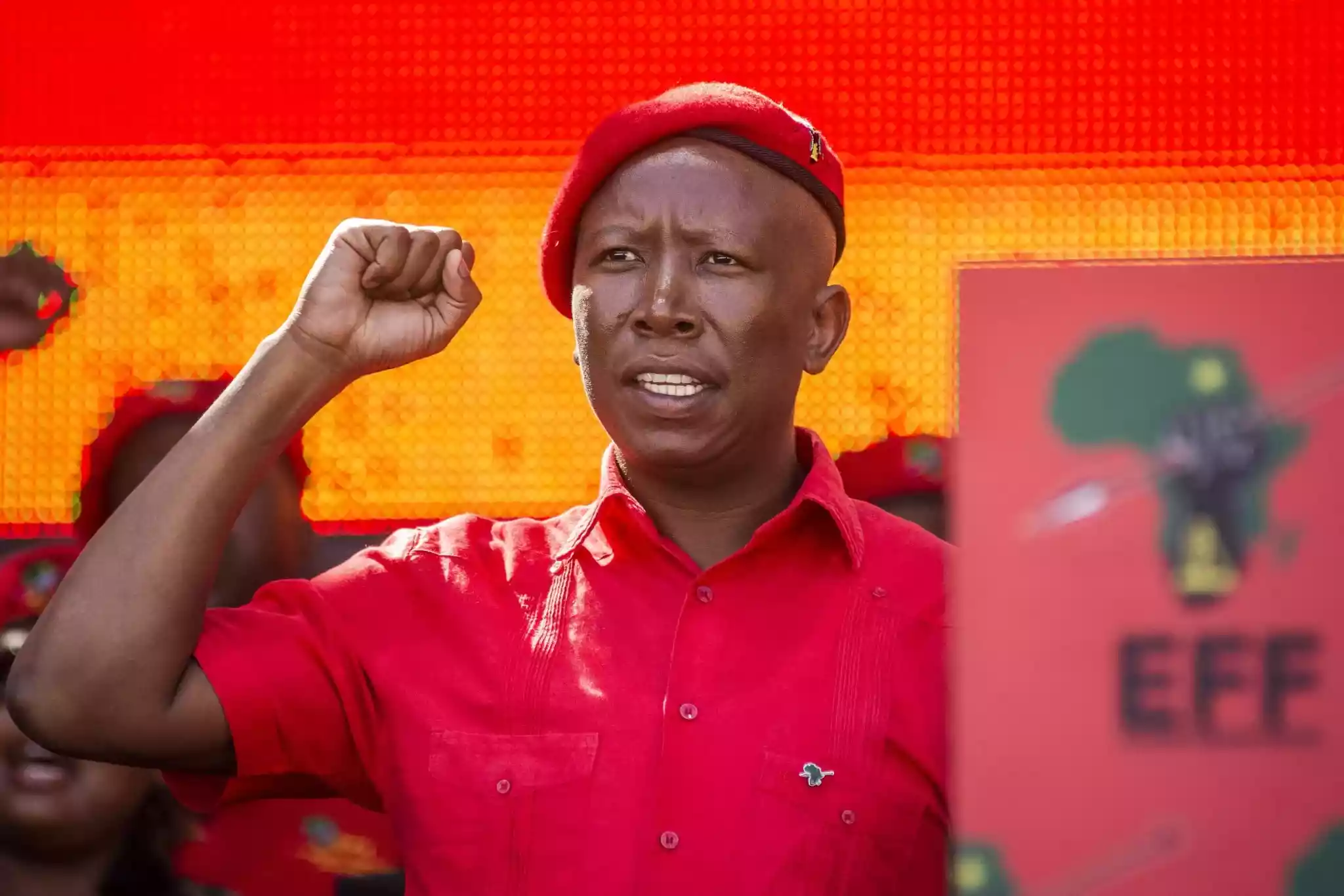
In a statement, South Africa's Economic Freedom Fighters, led by Julius Malema, said Zimbabwe's leadership should be focusing on addressing the country's deepening socio-economic challenges instead of pursuing constitutional changes that prolong its tenure.
"President Emmerson Mnangagwa has failed to confront the profound economic hardship, unemployment, collapsing public services and widespread poverty confronting the people of Zimbabwe. Millions of Zimbabweans continue to leave their homeland in search of opportunities across the African continent and beyond because their own government has failed to create conditions for a dignified life," the party said.
"Instead of dedicating the full attention of the state to resolving these crises, the government has prioritised constitutional amendments that extend its stay in office.
- Mr President, you missed the opportunity to be the veritable voice of conscience
- ED to commission new-look border post
- Zanu PF ready for congress
- EU slams Zim over delayed reforms
Keep Reading
"This is uncalled for. The extension of a presidential mandate through constitutional amendment, rather than through the freely expressed will of the people at the ballot box, represents a deeply disappointing development. It creates the perception that constitutional instruments are being manipulated to entrench political power instead of strengthening democratic accountability."
The EFF warned that Zimbabwe's political and economic instability has regional consequences, particularly for South Africa, which has for years received large numbers of Zimbabwean migrants seeking employment and better living conditions.
Another South African opposition politician, Mmusi Maimane, also condemned the constitutional changes, saying they undermined democracy and constitutionalism in Zimbabwe.
"We condemn unequivocally the decision taken by Emerson. As South Africa we cannot sit back and watch the eroding of democracy and constitutionalism in Zim," Maimane said.
The remarks add to growing international criticism following the enactment of Constitutional Amendment Bill No. 3, with opponents arguing that the changes weaken constitutional safeguards and consolidate executive power, while the Zimbabwean government insists the reforms are necessary to improve governance.