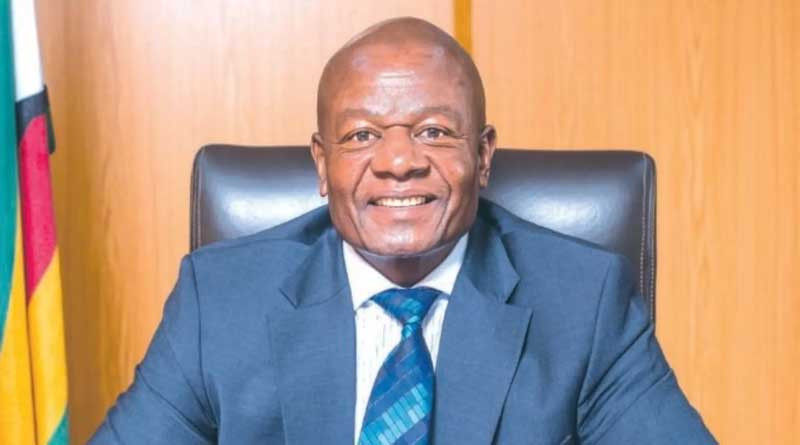
AN opposition party, the People’s Unity Party (PUP), has called for the formation of an inclusive government if President Emmerson Mnangagwa’s term is extended to 2030, arguing that opposition parties, civil society and churches should be accommodated in the proposed arrangement.
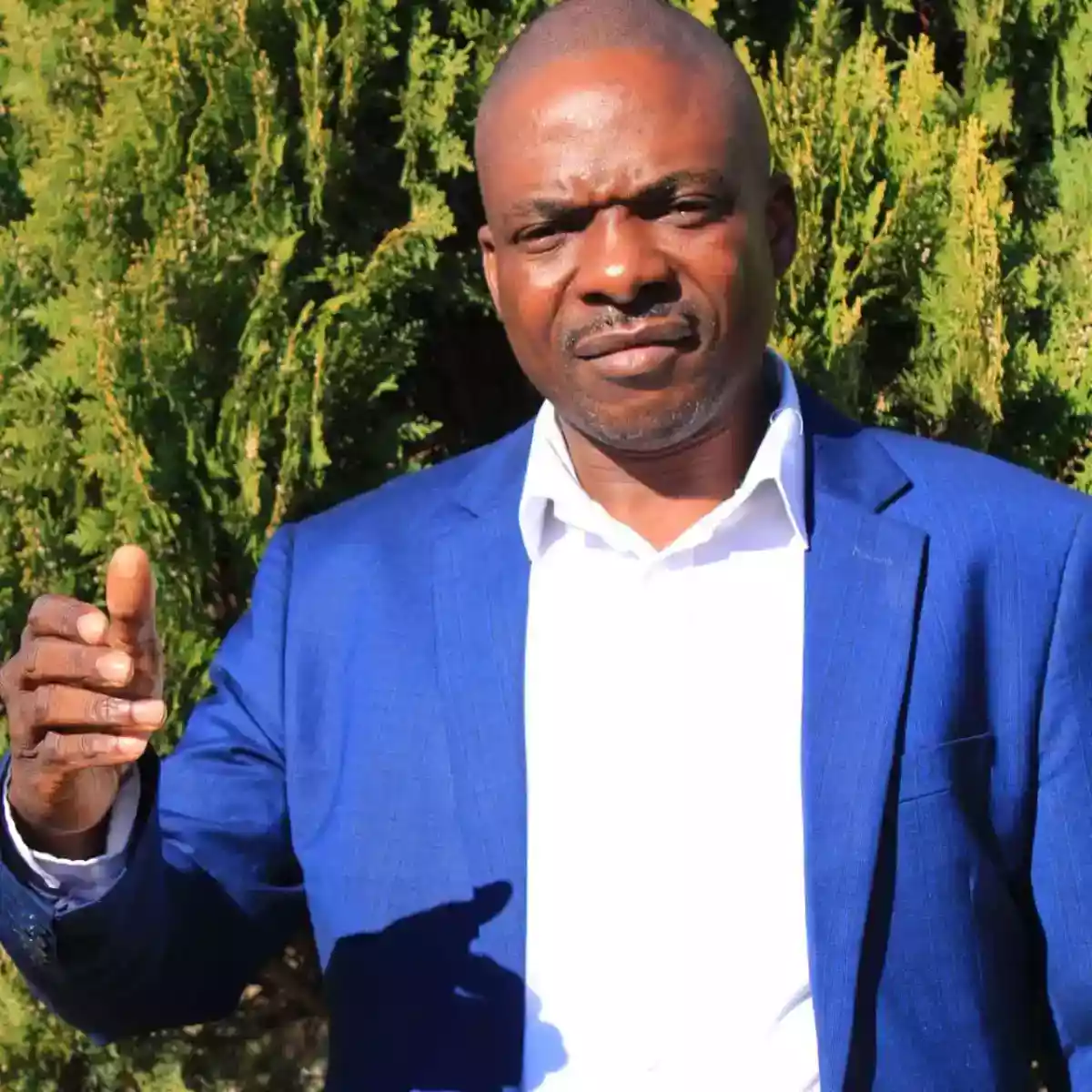
Speaking at a Press conference in Harare this week, PUP president Herbert Chamuka said his party supports aspects of the ruling Zanu PF’s development agenda, but believes any extension of the president’s term must go hand in hand with political inclusion.
Chamuka said the party’s Inclusive Government Agenda recognises Vision 2030 as a national development framework, but raised concern over proposals to extend Mnangagwa’s current term, which is constitutionally set to end in 2028.
“Stretching the president’s term to 2030 is not a bad idea in itself, but it must be inclusive,” he said.
“Opposition parties, civil society organisations, churches and citizens must be part of that process.”
Chamuka said opposition parties risk political irrelevance if they remain divided while the ruling party pushes ahead with its plans.
“Since 1980, Zanu PF has won every election.
“Opposition parties continue to lose because they are fragmented.
- Commodity price boom buoys GB
- NoViolet Bulawayo’s new novel is an instant Zimbabwean classic
- New perspectives: Building capacity of agricultural players in Zim
- Fired judge given 2 weeks to return govt property
Keep Reading
“When elections come, we field many candidates while Zanu PF presents one.
The PUP president argued that opposition unity had weakened since the death of former MDC leader Morgan Tsvangirai, leading to multiple breakaway parties competing against each other.
Chamuka said his party believes an inclusive government would allow opposition parties to contribute their policy ideas, including improved wages for workers, a stable national currency, media freedom and economic recovery.
He also claimed that political inclusion could help Zimbabwe’s efforts to remove international sanctions, arguing that opposition parties are not under sanctions and could help re-engage the international community.
“If government accommodates us, sanctions can be lifted
“Zimbabwe as a country is not sanctioned.
“Individuals and the ruling party are.”
Chamuka criticised what he described as confrontational opposition politics, saying demonstrations had failed to deliver tangible benefits to citizens.
He urged opposition parties to work with the government instead of relying on Western countries.
“We must not allow ourselves to be used by foreign powers, Zimbabwe has vast mineral wealth, but ordinary people are not benefiting.
“An inclusive government would allow us to manage our resources better.”
Chamuka went further, calling for the removal of elections in favour of a unified political arrangement, saying national unity was more important than electoral competition.
However, Mnangagwa has previously said he is a “constitutionalist” and has publicly stated he has no interest in extending his stay in power.
Despite this, divisions within Zanu PF have emerged, with some senior figures reportedly resisting the proposed extension.
The proposed constitutional amendment would require parliamentary approval and a national referendum before it can take effect.
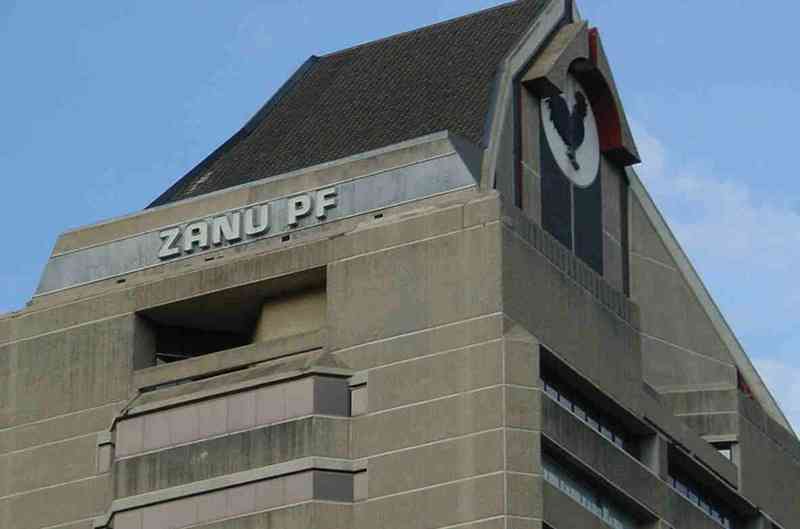
Zanu PF recently said it would begin a process to extend Mnangagwa’s term by two years, potentially keeping him in office until 2030.
The plan, first touted in Bulawayo in 2024, was endorsed at the party’s annual conference in Mutare last year, where delegates instructed the government to begin drafting legislation to amend the Constitution, according to Justice Minister and Zanu PF secretary for legal affairs Ziyambi Ziyambi.