Chinhoyi Municipality has emerged as one of the weakest performers in Mashonaland West province in the utilisation of road maintenance funds and fuel allocation, raising questions over capacity, planning and accountability at the local authority.
According to the Zimbabwe National Road Administration (Zinara) 2025 disbursement report, Chinhoyi was allocated ZiG 6,97 million for road maintenance but had utilised only ZiG 3,05 million by September 30, representing a 44% utilisation rate.
The performance falls well below expectation, given that three-quarters of the financial year had elapsed and comes amid mounting public complaints over the deteriorating state of roads in the town.
More concerning is the municipality’s complete failure to draw down its fuel allocation, a critical input for road maintenance operations. Chinhoyi was allocated 10 880,68 litres of fuel for 2025, but the report shows that none had been disbursed or utilised by the end of September.
The zero fuel uptake stands out sharply against other urban councils in Mashonaland West. Norton Town Council utilised 76% of its fuel allocation, while Kadoma Municipality recorded a 55% utilisation rate. Although several councils under performed, none recorded a total failure to access fuel resources.
Across the province, utilisation levels remain generally subdued. Urban councils collectively used just 45% of their combined ZiG 39,9 million road budget, while fuel utilisation stood at 50%. Even amid this weak performance, Chinhoyi ranked last.
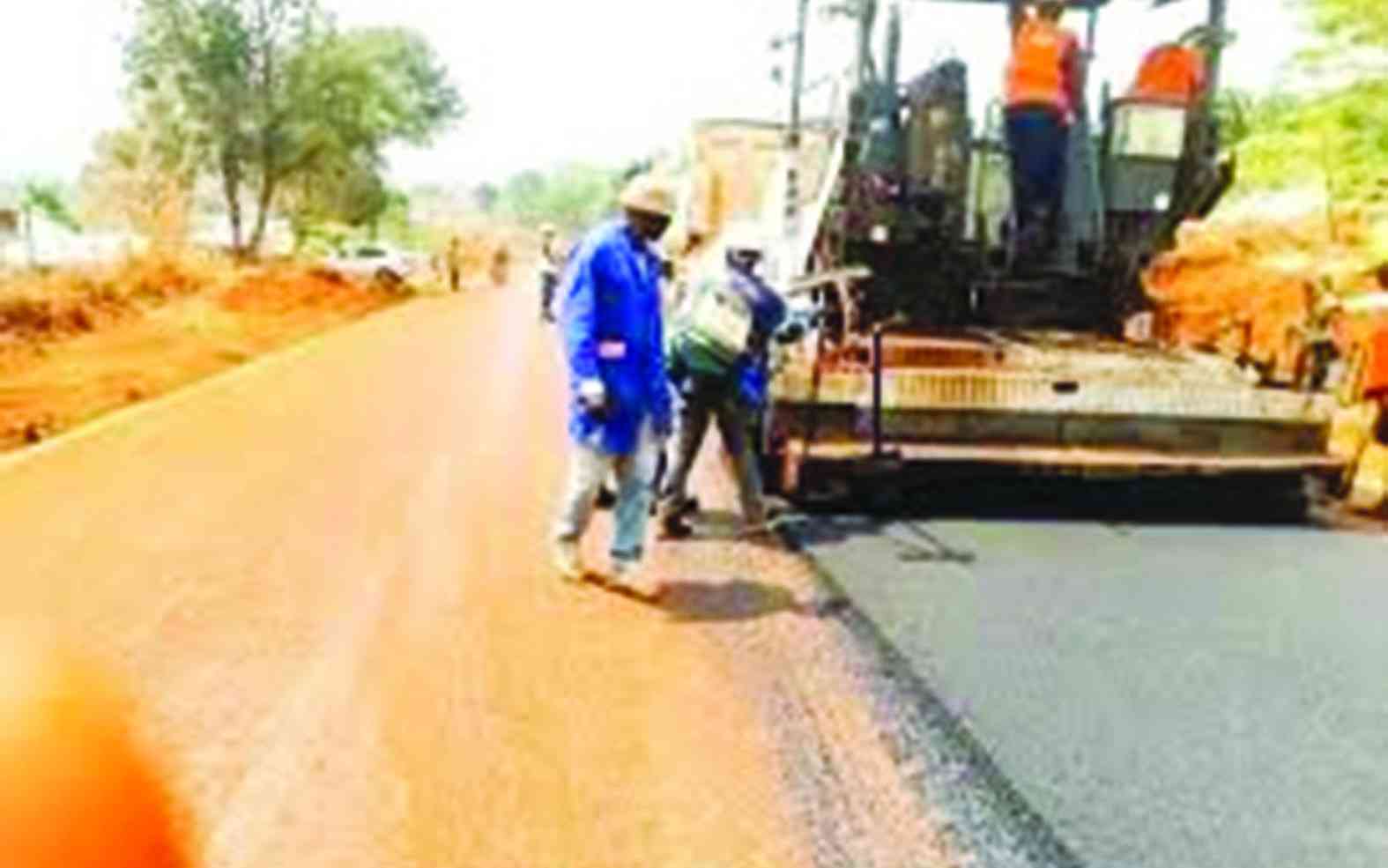
Road authorities and residents have questioned how meaningful road works can be undertaken without fuel, particularly in a town where potholes, eroded road surfaces and incomplete repairs have become commonplace.
While the Zinara report does not explain why Chinhoyi failed to access its fuel allocation, governance analysts point to possible factors such as delayed procurement processes, administrative bottlenecks or weak project planning.
- Councils big shots in serious trouble
- Councils big shots in serious trouble
- Zinara defends ‘questionable’ Univern deal
- Zinara and VID deal raises eyebrows
Keep Reading
As Treasury and Zinara continue to disburse funds in a strained economic environment, Chinhoyi’s low absorption capacity may weaken its case for future allocations potentially condemning residents to a cycle of poor infrastructure and declining service delivery.
With the year nearing its end, pressure is mounting on the municipality to account for the under-performance and demonstrate tangible improvement before unutilised resources are forfeited.