IN the bustling heart of Harare’s Glen View and Budiriro communities, where the stench of uncollected garbage often lingers, a beacon of hope has emerged.
The Community Water Alliance (CWA), in partnership with UN Habitat and Chinhoyi University of Technology, has started a revolutionary initiative that seeks to turn waste into wealth through the innovative power of Black Soldier Fly technology.
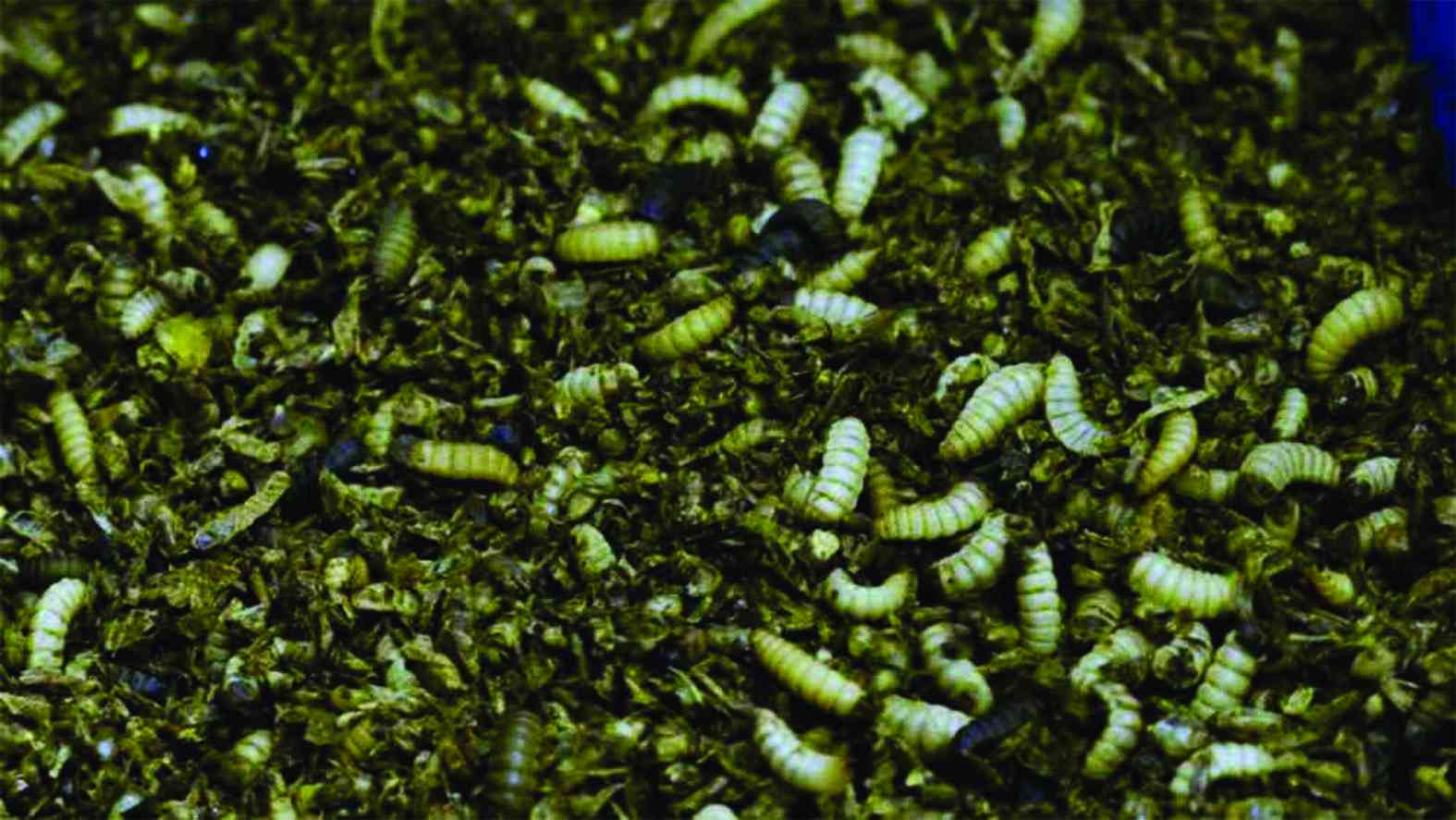
“At the core of this transformative project are Black Soldier Fly larvae. These resilient creatures possess the remarkable ability to digest a wide range of organic materials, including food waste, agricultural by-products and other biodegradable matter,” Chris Gohori, programmes manager for CWA, said excitedly on the sidelines of a recent inception meeting of the project in Glen View and Budiriro.
“As the larvae consume these organic wastes, they break down the compounds and convert them to nutrient-rich biomass,” he elaborated enthusiastically.
Further, he observed that this initiative will transform organic waste into valuable resources, creating sustainable animal feed and fertiliser while promoting a circular economy.
“By diverting waste from landfills and illegal dumpsites, we can minimise greenhouse gas emissions and contribute to a cleaner environment,” he asserted.
The biomass produced by the Black Soldier Fly larvae is then harvested and processed into two primary products: animal feed and organic fertiliser.
“The larvae are exceptionally high in protein and essential nutrients, making them an excellent source of feed for livestock, poultry and aquaculture,” Gohori stated.
The nutrient-rich frass or larval excrement, is a potent natural fertiliser that can be used to enrich soil and promote sustainable agriculture, he noted.
“We’re eager to share our knowledge and support the local community in developing the necessary skills for this project’s success,” said Professor Mukanya, the lead researcher from Chinhoyi University of Technology.
“This working partnership aligns with our mission to translate academic research to practical, sustainable solutions that improve lives.”
Mukanya observed that the beauty of this technology lies in its scalability and adaptability.
Black Soldier Fly farming systems can be implemented at various scales, from small household set-ups to large-scale industrial operations.
Companies like Soldier Fly Technologies and Bio Cycle Labs offer customisable solutions that can be tailored to specific waste management and production needs, he noted.
For Tendai, one of the women recyclers involved, this initiative represents a significant opportunity.
“I’ve struggled to make ends meet, but this Black Soldier Fly project offers a chance to create a sustainable income stream,” she shared.
“The training from Chinhoyi University of Technology is invaluable and I’m excited to learn how to transform biodegradable waste into usable products.”
Community member Joana from Budiriro echoed Tendai’s sentiments: “This project is precisely what we need in our neighbourhood.
“The piles of rotting garbage have attracted pests and contributed to disease spread. I’m hopeful that the Black Soldier Fly initiative will not only clean up our community, but also create jobs and empower women like Tendai.”
Chipo, a representative from the Women Affairs ministry, viewed the initiative as vital for promoting gender equality and economic empowerment.
“Involving women in this sustainable waste management project creates opportunities for them to become self-reliant and contribute to their communities’ development,” she asserted.
Ongoing research in this field is focused on optimising farming practices, improving production efficiency and exploring new applications for the Black Soldier Fly.
From the potential use of the larvae in bioconversion processes for biofuel production to the development of novel biomaterials, the possibilities are endless.
“This will enhance health standards in communities known as cholera hotspots,” Gohori noted.
“By diverting waste from landfills and illegal dumpsites, we can minimise greenhouse gas emissions and contribute to a cleaner environment.”
Tendayi, the UN Habitat representative, echoes similar sentiments.
“This initiative contributes to safer, healthier and more resilient communities,” she said.
“By transforming waste into valuable resources, we not only tackle environmental challenges, but also create economic opportunities, particularly for women and youth.”
The success of this project underscores the power of collaboration and community-driven solutions.
As the sun sets on the inception meeting, participants depart with renewed purpose, ready to transform their vision into reality.
In a nation grappling with the dual challenges of waste management and economic empowerment, the Black Soldier Fly project stands as a beacon of hope.
It embodies resilience, innovation and the transformative power of embracing the circular economy — an inspiring narrative with the potential to uplift communities across Zimbabwe and beyond.