AT long last, the cat is letting itself out of the bag.
For years, Zimbabweans have been told — repeatedly — that the push to extend President Emmerson Mnangagwa’s term of office is the handiwork of overzealous Zanu PF supporters.
According to that official narrative, it is the party base, not the President, that is angling to stretch his stay in office by two years to 2030.
Yet the Constitution is clear: Mnangagwa’s final term ends in 2028.
Any attempt to extend it requires reopening the 2013 charter, ripping apart a product of years of negotiation, public consultation and national consensus — all in a bid to benefit an individual.
Still, Mnangagwa has repeatedly told the public that he is a “constitutionalist”, hence he is committed to stepping down when his time is up.
Whenever the term extension debate surfaced, State media and ruling party officials reassured the nation that the President had nothing to do with it.
According to them, he will retire peacefully once 2028 arrives.
- NoViolet Bulawayo’s new novel is an instant Zimbabwean classic
- Jah Prayzah, Zanu PF rekindles ‘lost love’
- Mbavara eyes to resurrect Matavire’s music legacy
- Bank workers appeal to Ncube for tax relief
Keep Reading
But this week, the mask slipped.
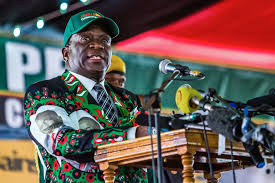
On Wednesday, Mnangagwa instructed party members to implement Zanu PF conference resolutions — resolutions that explicitly include extending his term by two years.
Zimbabweans watched closely, expecting the President to distance himself from the 2030 agenda he has long claimed not to endorse.
Instead, he said nothing.
No rebuke. No clarification. No affirmation of constitutionalism.
Just silence — a silence louder than any speech he could have delivered.
That silence sent its own message: perhaps the push for 2030 was never merely the work of overenthusiastic supporters.
Perhaps it was never a “misunderstanding”, never a fringe agenda within the ruling party.
Perhaps the cat is, indeed, letting itself out of the bag.
The implications are enormous.
If Mnangagwa is now openly permitting — even encouraging — efforts to alter the Constitution for personal gain, then Zimbabwe is entering yet another dangerous chapter in its political history.
The Constitution becomes malleable clay, reshaped at the convenience of those in power rather than the will of the people.
Term limits, one of the most important safeguards against authoritarianism, become optional.
The 2013 Constitution is not perfect, but it is a landmark achievement.
It represents a rare moment of unity and hope, a document Zimbabweans can point to as a foundation for a more democratic future.
To tamper with it for political expediency is not only reckless, it is betrayal.
Worse, it signals to the nation that institutions mean little when they stand in the way of personal ambition.
Mnangagwa’s failure to call his party to order on Wednesday speaks volumes.
At best, he is unwilling to confront a faction within his own party pushing an agenda that violates the Constitution.
At worst, he is complicity — quietly supporting the very initiative he publicly disowned.
Either way, Zimbabweans are not blind.
They have lived through decades of political manoeuvres masked as “people’s demands”.
They know the difference between genuine public sentiment and manufactured consensus.
The truth is emerging, slowly but unmistakably.
The push for 2030 is no longer a rumour whispered in corridors; it is becoming a political project unfolding in full view.
And Zimbabweans must decide whether they will let history repeat itself or defend the constitutional principles they fought so hard to establish.
Yes, the cat is finally letting itself out of the bag.
The real question is whether citizens, civil society, political actors and the courts will let it roam freely — or put it back where it belongs, behind the bars of constitutional restraint.