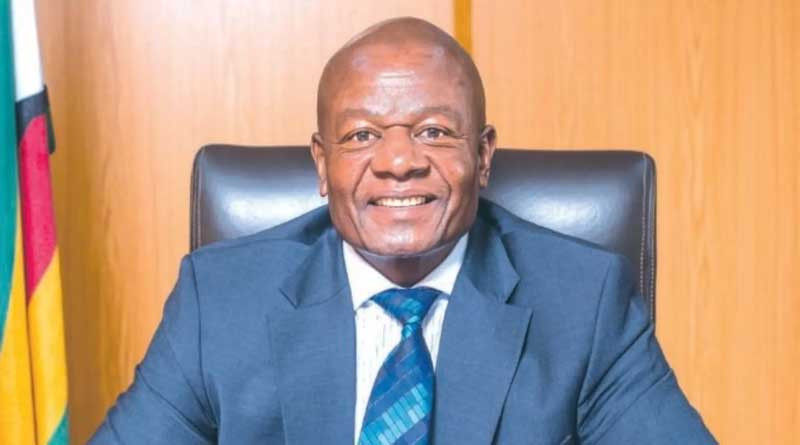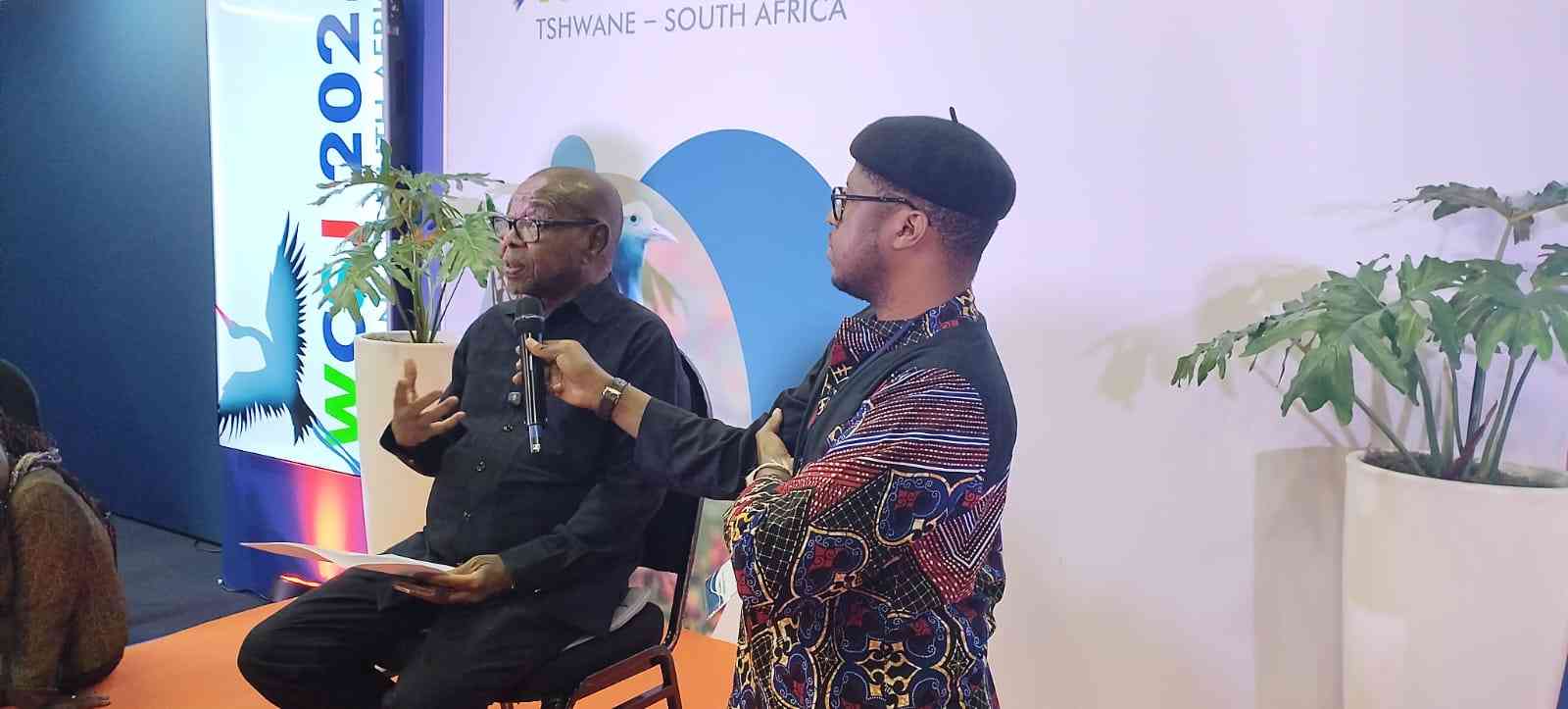
TSHWANE, Dec. 2 (NewsDay Live) - South Africa’s Minister of Science, Technology and Innovation, Prof. Blade Nzimande, says science journalism is critical for building public trust in science and ensuring that scientific knowledge is used to advance a just and humane society.
Opening the World Conference of Science Journalists (WCSJ) 2025 on Tuesday, Nzimande said South Africa was honoured to host the event for the first time on the African continent. He said the conference also offers an opportunity to showcase the country’s scientific and cultural achievements, including field trips to sites such as the Square Kilometre Array.
Nzimande said the conference theme, “Science journalism and social justice: journalism that builds understanding and resilience,” underscores the need to use science to confront global challenges—among them inequality, conflict, pandemics and climate change.
He said the theme also highlights the importance of how science is communicated and its influence on public attitudes, adding that scientific knowledge must always serve humanity.
“We aim to build a society that is science-literate and able to form independent opinions. Science journalism plays a key role by translating complex knowledge into accessible information,” he said.
Citing the 2022 South African Public Relationship with Science survey, Nzimande said South Africa has a growing science-aware public, with television (60%), the internet (52%) and radio (51%) emerging as the main sources of science information.
He said government is strengthening its Science Engagement Programme and partnering with media outlets to give unemployed journalism graduates practical experience in science reporting.
Nzimande said science journalism must also support global cooperation.
- UAE’s Masdar forms joint venture for Renewable Deployment in Africa
- Ex-dissident pens Gukurahundi book
- UAE’s Masdar forms joint venture for Renewable Deployment in Africa
- Steward Bank posts big jump in profits
Keep Reading
“We must use science journalism as a bridge for science diplomacy and the building of global solidarity,” he said.